READ this prayer by Queen Elizabeth I as you consider today's lesson about her. Complete your history card for this lesson. View her fancy signature and various portraits.
For review of recent lessons, do the following:
Create a "WANTED" poster for William Tyndale. Include details on the poster relevant to why he was a "wanted" man. File this under Europe: England in your notebook.
In considering the work of Bartolome de Las Casas from lesson 36, review how he spent his life. Injustices will exist as long as man is sinful, but God's love and mercy should especially shine through those who know Him who are able to defend the weak and powerless and subsequently share Christ's revelation with them. In developing a greater world awareness about these issues that are rooted back in the historical time of which we have been studying, read this brief summary about the recently oppressed people of Guatemala.
Also, review your "family tree" of the Reformers. Go back to your history cards and lessons for each of the items represented in the family tree to be reminded afresh of each person and group of religious followers that evolved after them.
Tuesday, December 11, 2012

Saturday, December 8, 2012
Mary Tudor
Before reading lesson 37 and writing its history card, make sure you have summarized the lesson about Bartolome de Las Casas, lesson 36, on a history card.
Thursday, December 6, 2012
Quiz and Lesson 35
Hopefully you wrote down your assignment in class - I don't know how I missed posting this Monday evening along with the other blogs - but here is the work you should have completed for tomorrow.
Week 11 Quiz. (The people to review for it are as follows: Suleiman, de Soto, de Coronado, Ponce de Leon, Ivan the Terrible, John Calvin, Titian, Babur, Zwingli - know the significant PLACES attached to each of them, in relation to where they were from or what locations they lived or affected by their lives. Also review Erasmus, Sundiata, da Vinci, Elcano, Ismail, Albrecht Durer, Michealangelo, Lorenzo de Medici, Hernan Cortes, and Ivan the Great - their significant deeds.) You may have until Tuesday to complete the Quiz.
Write your card for lesson 34 which we read and discussed in class and then also read lesson 35 on Copernicus, writing the card for it as well.
Week 11 Quiz. (The people to review for it are as follows: Suleiman, de Soto, de Coronado, Ponce de Leon, Ivan the Terrible, John Calvin, Titian, Babur, Zwingli - know the significant PLACES attached to each of them, in relation to where they were from or what locations they lived or affected by their lives. Also review Erasmus, Sundiata, da Vinci, Elcano, Ismail, Albrecht Durer, Michealangelo, Lorenzo de Medici, Hernan Cortes, and Ivan the Great - their significant deeds.) You may have until Tuesday to complete the Quiz.
Write your card for lesson 34 which we read and discussed in class and then also read lesson 35 on Copernicus, writing the card for it as well.
Friday, November 30, 2012
Explorers of North America
Complete lesson 33, writing your history card for both this lesson and the one we read in class today on the Counter Reformation.
Wednesday, November 28, 2012
Ivan the Terrible
Be sure to summarize lesson 30 on John Calvin on a history card.
Watch this short video to introduce lesson 31.
Read lesson 31, Ivan the Terrible, and also make a history card for it. Bring it to class to share your summary of the lesson.
Watch this short video to introduce lesson 31.
Read lesson 31, Ivan the Terrible, and also make a history card for it. Bring it to class to share your summary of the lesson.
Friday, November 16, 2012
Wednesday, November 14, 2012
Study and Lesson 29
Review the following people, events, and terms in preparation for a quiz this Friday.
Macchiavelli, Raphael, Martin Luther, Hernan Cortes, Elcano, Johann Tetzel, Suleiman, Ulrich Zwingli, Menno Simmons, Babur, Henry VIII, Sir Thomas More, the Anabaptist Movement, the House of Tudor, the third Rome, Bartolomeu Dias, Le Temps Revient, Muhammed I, Leonardo da Vinci's death, Pope Julius II, Ismail of Persia, the Latin Vulgate, and the Enterprise to the Indies.
Read Lesson 29. Remember, your history card need only to provide important points of summary from the lesson. Use the example of how we summarized yesterday's lesson on the board as a model if you are needing to sharpen your skills in this area.
Macchiavelli, Raphael, Martin Luther, Hernan Cortes, Elcano, Johann Tetzel, Suleiman, Ulrich Zwingli, Menno Simmons, Babur, Henry VIII, Sir Thomas More, the Anabaptist Movement, the House of Tudor, the third Rome, Bartolomeu Dias, Le Temps Revient, Muhammed I, Leonardo da Vinci's death, Pope Julius II, Ismail of Persia, the Latin Vulgate, and the Enterprise to the Indies.
Read Lesson 29. Remember, your history card need only to provide important points of summary from the lesson. Use the example of how we summarized yesterday's lesson on the board as a model if you are needing to sharpen your skills in this area.
Saturday, November 10, 2012
"The Perfect School"
We learned of how Sir Thomas More wrote Utopia to stimulate thought about the perfect government while at the same time having a little fun! You are to mimic that by writing about The Perfect School.
What would that look like to you? What would you name it? Where would it meet? You may be as ridiculous and creative as you want, but you must meet this one requirement: learning must take place. (So, think about what motivates you to learn. Your school may not look like anyone else's, but to you it would still be "perfect.") Place a colorfully illustrated title page over your paper which will be filed under Europe: England in your notebooks.
What would that look like to you? What would you name it? Where would it meet? You may be as ridiculous and creative as you want, but you must meet this one requirement: learning must take place. (So, think about what motivates you to learn. Your school may not look like anyone else's, but to you it would still be "perfect.") Place a colorfully illustrated title page over your paper which will be filed under Europe: England in your notebooks.
Tuesday, November 6, 2012
Henry VIII's VI Wives
Complete lesson 26. As you do, add members to the family tree as you read about them. Remember to also write phrases of important info about them to help you remember them.
Also write a summarizing history card for the lesson as a whole.
Review the Reformers Family Tree too. We will come back to learning about more reformers.
Also write a summarizing history card for the lesson as a whole.
Review the Reformers Family Tree too. We will come back to learning about more reformers.
Friday, November 2, 2012
Akbar "the Great"
Complete lesson 25 and make your summary card. If you missed making the card for the last lesson, you may want to start there.
Start here with this picture and scroll through the buildings that belong to the sandstone palace, the Fatehpur Sikri.
Take a virtual tour around the Taj Mahal , if your computer is equipped to play this; mine is not but maybe yours is.
Why do you think that Akbar's mixed approach to religion did not catch on in India? Why do some peoples resist the blending of faiths and others endorse it? Do you see this played out today? What do the Ten Commandments teach about other gods? What does the New Testament teach in John 14:6. (Write down your thoughts to be ready to discuss in class.)
Start here with this picture and scroll through the buildings that belong to the sandstone palace, the Fatehpur Sikri.
Take a virtual tour around the Taj Mahal , if your computer is equipped to play this; mine is not but maybe yours is.
Why do you think that Akbar's mixed approach to religion did not catch on in India? Why do some peoples resist the blending of faiths and others endorse it? Do you see this played out today? What do the Ten Commandments teach about other gods? What does the New Testament teach in John 14:6. (Write down your thoughts to be ready to discuss in class.)
Tuesday, October 30, 2012
The Anabaptist Movement
Before you read Lesson 24, create a neatly drawn and written "family tree" of the Protestant Reformers and their followers. Title the page "Protestant Reformers and Their Followers." Because most would say the Protestant Reformation started in Germany, you will file this under "Europe: Germany."
Complete your history card for lesson 23, and then read lesson 24 also doing its history card.
Add to the family tree of reformers after reading lesson 24.
There are Hutterite communities living in the United States today. Enjoy this Hutterite choir singing Be Thou My Vision. Also, read the question on this Hutterite blog. The answer to it is just under the picture of the handwritten hymnal in the photo. Then scroll down to the bottom of the blog page. Listen to the You Tube performance of a German country folk band and listen to a bit of the song until you recognize its sound well enough. Then click on the blue words just under the video, "same song," to hear that song sung by some Hutterite ladies. It is a recording only without video. How do they compare? I hope you have enjoyed learning about the Hutterites!
Complete your history card for lesson 23, and then read lesson 24 also doing its history card.
Add to the family tree of reformers after reading lesson 24.
There are Hutterite communities living in the United States today. Enjoy this Hutterite choir singing Be Thou My Vision. Also, read the question on this Hutterite blog. The answer to it is just under the picture of the handwritten hymnal in the photo. Then scroll down to the bottom of the blog page. Listen to the You Tube performance of a German country folk band and listen to a bit of the song until you recognize its sound well enough. Then click on the blue words just under the video, "same song," to hear that song sung by some Hutterite ladies. It is a recording only without video. How do they compare? I hope you have enjoyed learning about the Hutterites!
Saturday, October 27, 2012
Suleiman and the Ottoman Turks
Compete reading lesson 22 and write a strong but concise summary of the lesson on your history card. Be prepared to share yours with the class on Tuesday.
Renaissance and Reformation
Read the following segments of the next two chapters: pages 255 -262 and 290-300. What do you view as most significant from each of these segments? Why do you think so? Be prepared to discuss your answers in class on Tuesday.
Tuesday, October 23, 2012
Quarter Exam
Ask your parents for your exam from their email inbox, as it is an attached document they may print.
The text and history cards for the indicated lessons below may be reviewed prior to taking the exam, but not after you have seen the exam. It covers key information from the major people and events of each. The format of the exam is an "either/or" choice, true-false, and fill-in-the-blank with a total of 25 questions.
Lessons: 1, 2, 3, 5, 6, 7, 8, 9, 12, 13, 15, 16, 17, 18, 19, 20, and 21.
The text and history cards for the indicated lessons below may be reviewed prior to taking the exam, but not after you have seen the exam. It covers key information from the major people and events of each. The format of the exam is an "either/or" choice, true-false, and fill-in-the-blank with a total of 25 questions.
Lessons: 1, 2, 3, 5, 6, 7, 8, 9, 12, 13, 15, 16, 17, 18, 19, 20, and 21.
Saturday, October 20, 2012
The Diet of Worms
Worms continue showing up in our classroom! But actually, the word (a city this time - not worms) is pronounced vermzs. Complete Lesson 21 on the spread of the Reformation, beginning with The Diet of Worms on page 109. Also remember to complete your history card along with your reading.
Memorize the following dates and events:
1492 - Christopher Columbus sailed to an "other world".
1503 - Leonardo da Vinci painted the Mona Lisa.
1517 - Martin Luther posted his "Ninety-Five Theses".
Memorize the following dates and events:
1492 - Christopher Columbus sailed to an "other world".
1503 - Leonardo da Vinci painted the Mona Lisa.
1517 - Martin Luther posted his "Ninety-Five Theses".
Tuesday, October 16, 2012
Quiz and Card for Magellan
Make sure you have written a quality review card for Lesson 20 covered in class today.
You may continue to review the quiz material prior to viewing the quiz. Then, take the quiz and bring to class on Friday.
You may continue to review the quiz material prior to viewing the quiz. Then, take the quiz and bring to class on Friday.
Saturday, October 13, 2012
Spanish Conquistadors
Complete Lesson 19 and write its history card.
Study or review the following people and terms to prepare for the next quiz:
Michelangelo, Vulgate, Pope Julius II, Albrecht Durer, Adagia, Jan van Eyck, Victoria Colonna, Erasmus, Pieter Bruegel the Elder, satire, jingle, Bremante, The Prince, Martin Luther, Machiavellianism, the Ninety-Five Theses, November 1, and the "Room of Signatures."
Study or review the following people and terms to prepare for the next quiz:
Michelangelo, Vulgate, Pope Julius II, Albrecht Durer, Adagia, Jan van Eyck, Victoria Colonna, Erasmus, Pieter Bruegel the Elder, satire, jingle, Bremante, The Prince, Martin Luther, Machiavellianism, the Ninety-Five Theses, November 1, and the "Room of Signatures."
Tuesday, October 9, 2012
Luther's "Ninety-Five Theses"
Read Lesson 18 and write its corresponding history card. Enjoy reading for understanding with thoughtfulness!
Review any history cards that you find lacking in your mind.
Review any history cards that you find lacking in your mind.
Friday, October 5, 2012
National Capitals and a bit of Raphael
On separate paper, write the following nations with their capital cities after locating them on a map.
Nations
England, Sweden, Finland, Russia, Turkey, Greece, Italy, Spain, France, Germany, Poland, Ukraine, Portugal, Ireland, Iceland, Norway, Switzerland, Belgium, Netherlands, Denmark
Capital Cities
Ankara, Rome, Athens, Berlin, Copenhagen, Dublin, Lisbon, Oslo, Warsaw, Madrid, Reykjavik, Helsinki, Kiev, London, Moscow, Paris, Bern, Brussels, Stockholm, Amsterdam
For Lesson 17, just read the first section on pages 81-83 and begin your card on Raphael.
Nations
England, Sweden, Finland, Russia, Turkey, Greece, Italy, Spain, France, Germany, Poland, Ukraine, Portugal, Ireland, Iceland, Norway, Switzerland, Belgium, Netherlands, Denmark
Capital Cities
Ankara, Rome, Athens, Berlin, Copenhagen, Dublin, Lisbon, Oslo, Warsaw, Madrid, Reykjavik, Helsinki, Kiev, London, Moscow, Paris, Bern, Brussels, Stockholm, Amsterdam
For Lesson 17, just read the first section on pages 81-83 and begin your card on Raphael.
Tuesday, October 2, 2012
Quiz; Your Satire
You may review further from the last post before taking your quiz, but make sure you complete the quiz with no helps of any kind and bring to class on Friday.
Write a 1 page satire using the topic of your choice. Remember that a satire is a literary work which shows a human vice or folly to be scorned. The example from class was "Ten Good Reasons To Eat Junk Food." Of course that example would proceed to explain or depict why one should NOT eat junk food, so a satire usually expresses the opposite of what is being said.
Complete any history cards unfinished thus far, through Lesson 15.
Write a 1 page satire using the topic of your choice. Remember that a satire is a literary work which shows a human vice or folly to be scorned. The example from class was "Ten Good Reasons To Eat Junk Food." Of course that example would proceed to explain or depict why one should NOT eat junk food, so a satire usually expresses the opposite of what is being said.
Complete any history cards unfinished thus far, through Lesson 15.
Friday, September 28, 2012
Northern Renaissance Artists
Read Lesson 14 thoughtfully, writing your history card for this lesson.
You will have a quiz next week on people from the first 12 lessons. This is the list (in random order) of those you will need to know:
Ivan the Great, Henry VI, Cosimo de'Medici, San Salvador, Amerigo Vespucci, Mansa Musa, Henry Tudor, Ferdinand, Christopher Columbus, Arawak, Ismail, Savonarola, Leonardo da Vinci, Vasco de Gama, Sandro Botticelli, Brunelleschi, Sophia, Bartolomeu Dias, Abbas the Great, Madonna Elisabetta, Askia Muhammed I, Pope Alexander VI, Tomas de Torquemada, and Lorenzo de'Medici.
You will have a quiz next week on people from the first 12 lessons. This is the list (in random order) of those you will need to know:
Ivan the Great, Henry VI, Cosimo de'Medici, San Salvador, Amerigo Vespucci, Mansa Musa, Henry Tudor, Ferdinand, Christopher Columbus, Arawak, Ismail, Savonarola, Leonardo da Vinci, Vasco de Gama, Sandro Botticelli, Brunelleschi, Sophia, Bartolomeu Dias, Abbas the Great, Madonna Elisabetta, Askia Muhammed I, Pope Alexander VI, Tomas de Torquemada, and Lorenzo de'Medici.
Wednesday, September 26, 2012
Michelangelo
Review, again, all your history cards. Are there any which are not
really very much help to you because it was not done well? If so, go
ahead and make the effort to re-do any that are not very well done.
Read Lesson 13 on Michelangelo and write its card.
After reading the lesson, choose the piece of poetry you like best written by Michelangelo. Copy it onto a piece of paper titled "Michelangelo: Artist and Poet." File it in your notebook under Europe:Italy.
Read Lesson 13 on Michelangelo and write its card.
After reading the lesson, choose the piece of poetry you like best written by Michelangelo. Copy it onto a piece of paper titled "Michelangelo: Artist and Poet." File it in your notebook under Europe:Italy.
Saturday, September 22, 2012
The Safavid Empire of Persia
The Royal Palace in Iran reflects Persian architecture. Scroll through the many pictures at the site at the link, reading the descriptions about it in the upper right corner to each picture.
Next, view the beautiful pictures after reading the titles to know what you are viewing about the Royal mosque.
Read Lesson 11, making your history card too. Then, read through all of your history cards.
Next, view the beautiful pictures after reading the titles to know what you are viewing about the Royal mosque.
Read Lesson 11, making your history card too. Then, read through all of your history cards.
Tuesday, September 18, 2012
West African Empires
After completing your history card for lesson 8 covered in class today, read Lesson 9 and complete its card also.
Using the map of North Africa given in class, outline with a fine tip pen or marker and label the following countries:
(Going Clockwise)
A) Algeria, Tunisia, Libya, Egypt
B) Sudan, Eritrea, Djibouti, Ethiopia
C) Somalia, Chad, Central African Republic, Cameroon
D) Nigeria, Niger, Benin, Togo
E) Ghana, Burkina Faso, Mali, Cote d"Ivoire
F) Liberia, Sierra Leone, Guinea, Guinea-Bissau
G) The Gambia, Senegal, Mauritania, Western Sahara, Morocco
And lastly, label these rivers: the Niger River, the Nile, the Blue Nile, and the White Nile
Using the map of North Africa given in class, outline with a fine tip pen or marker and label the following countries:
(Going Clockwise)
A) Algeria, Tunisia, Libya, Egypt
B) Sudan, Eritrea, Djibouti, Ethiopia
C) Somalia, Chad, Central African Republic, Cameroon
D) Nigeria, Niger, Benin, Togo
E) Ghana, Burkina Faso, Mali, Cote d"Ivoire
F) Liberia, Sierra Leone, Guinea, Guinea-Bissau
G) The Gambia, Senegal, Mauritania, Western Sahara, Morocco
And lastly, label these rivers: the Niger River, the Nile, the Blue Nile, and the White Nile
Friday, September 14, 2012
Study for Quiz on 1-6; Christopher Columbus!
Students will have a Quiz on the first 6 history lessons this Tuesday. Here is a list of the important people and places with which they should be thoroughly knowledgeable:
Richard III/Henry IV the Medicis Brunelleschi Ferdinand Tomas de Torquemada Tartar Mongols
Ivan the Great the Kremlin Prester John Vasco de Gama India King Ferrante Sandro Botticelli
Read Lesson 7 on Christopher Columbus and write study card 7.
Richard III/Henry IV the Medicis Brunelleschi Ferdinand Tomas de Torquemada Tartar Mongols
Ivan the Great the Kremlin Prester John Vasco de Gama India King Ferrante Sandro Botticelli
Read Lesson 7 on Christopher Columbus and write study card 7.
Tuesday, September 11, 2012
The Cape of Good Hope and Lorenzo the Magnificent
Complete all history cards yet unfinished before lesson 5.
Read Lesson 5. Complete history card 5.
What we know about history comes from primary sources. Students are not required to read this entire collection of written entries of his experiences, written by Vasco de Gama himself, but I recommend them finding several interesting paragraphs to read. It will help them understand from whence true history is assimilated!
Read Lesson 6.
Read Lesson 5. Complete history card 5.
What we know about history comes from primary sources. Students are not required to read this entire collection of written entries of his experiences, written by Vasco de Gama himself, but I recommend them finding several interesting paragraphs to read. It will help them understand from whence true history is assimilated!
Read Lesson 6.
Friday, September 7, 2012
Activities for Lessons 1-3
Please Note: After considering the level of the students in this class, while it may be challenging to begin with, I have decided to stick with my original decision to require each student to make their own notes for the backs of their history cards. They may use a bullet point approach, jotting down short sentences or even phrases that trigger their memory about the significance of the person or event the card represents. The information they choose should help them to summarize the lesson. (I have a sample card back below; theirs does not have to be as detailed as the example.)
Another Note: In class, I instructed them to read chapter 4, but in light of the work with the cards and maps, I am no longer assigning that for the weekend.
The front of the card should hold the title of the chapter of the lesson. Of course, for the card backs, students may opt to write a short paragraph summary if they prefer. You know your student's ability level, and the goal is to work with them to gain gradual independence. (Spelling need not be an issue at this point if it is too overwhelming to incorporate that here.)
Vol.III A (that A to the left represents the first semester) 1
- House of Lancaster ruled England for years after Hundred Years' War; line of kings named Henry ~ (IV, V, and VI) and trouble started with Henry VI ~ because he was mentally troubled.
- House of York wanted to do something about the unable King Henry VI.
- In 1455, first battle in War of the Roses at Battle of St. Albans; Yorks won, but Parliament kept King Henry VI and created a "Lord Protector" position for the duke of York.
- Further battles ensued for 30 years, trading kings off and on the throne between the 2 houses.
- Henry Tudor united the warring sides keeping the Tudor name and becoming Henry VII, marrying the daughter of dead Edward IV (of the Yorks).
- The unification of the 2 houses was symbolized by the joining of the red and white roses that had before separately represented them, thus giving the War its name "The Wars of the Roses."
(1455 - 1485)
Students should write their cards 1-3 at this point, for homework. We will not take the time to do this in class, but we will use the cards in class to review with them at times. The work of writing them is an important part of helping them summarize the lesson. As they form the habit, it will become easier and even train their mind as they go through the lesson to be thinking of what is important for a summary.
____________________________________________________________________
MAP ASSIGNMENT
Using one of the map copies they received in class, students should do the following:
A) Outline the countries of England, Italy, Spain, and the Mediterranean Sea with fine tipped markers.
B) Label the cities of London, Rome, and Madrid.
_____________________________________________________________________
On the other copy, use the link of Europe in 1560 to label the following:
A) England, Scotland, Ireland -----------and the cities of London, Edinburgh, and Dublin.
B) Portugal, Castile, Aragon ------------and the cities of Lisbon, Madrid, and Barcelona.
C) France and Paris.
D) The Holy Roman Empire-------------and the city of Vienna.
E) Milan, Republic of Venice, Papal States, Tuscany, and the Kingdom of Naples----------and their cities:
(Milan, Venice, Rome, Florence, and Naples.)
F) North Sea, Bay of Biscay, Mediterranean Sea, Adriatic Sea, and Ionian Sea.
WE WILL DISPLAY OUR BEAUTIFUL MAPS ON THE WALL IN THE CLASSROOM.
Another Note: In class, I instructed them to read chapter 4, but in light of the work with the cards and maps, I am no longer assigning that for the weekend.
The front of the card should hold the title of the chapter of the lesson. Of course, for the card backs, students may opt to write a short paragraph summary if they prefer. You know your student's ability level, and the goal is to work with them to gain gradual independence. (Spelling need not be an issue at this point if it is too overwhelming to incorporate that here.)
Vol.III A (that A to the left represents the first semester) 1
- House of Lancaster ruled England for years after Hundred Years' War; line of kings named Henry ~ (IV, V, and VI) and trouble started with Henry VI ~ because he was mentally troubled.
- House of York wanted to do something about the unable King Henry VI.
- In 1455, first battle in War of the Roses at Battle of St. Albans; Yorks won, but Parliament kept King Henry VI and created a "Lord Protector" position for the duke of York.
- Further battles ensued for 30 years, trading kings off and on the throne between the 2 houses.
- Henry Tudor united the warring sides keeping the Tudor name and becoming Henry VII, marrying the daughter of dead Edward IV (of the Yorks).
- The unification of the 2 houses was symbolized by the joining of the red and white roses that had before separately represented them, thus giving the War its name "The Wars of the Roses."
(1455 - 1485)
Students should write their cards 1-3 at this point, for homework. We will not take the time to do this in class, but we will use the cards in class to review with them at times. The work of writing them is an important part of helping them summarize the lesson. As they form the habit, it will become easier and even train their mind as they go through the lesson to be thinking of what is important for a summary.
____________________________________________________________________
MAP ASSIGNMENT
Using one of the map copies they received in class, students should do the following:
A) Outline the countries of England, Italy, Spain, and the Mediterranean Sea with fine tipped markers.
B) Label the cities of London, Rome, and Madrid.
_____________________________________________________________________
On the other copy, use the link of Europe in 1560 to label the following:
A) England, Scotland, Ireland -----------and the cities of London, Edinburgh, and Dublin.
B) Portugal, Castile, Aragon ------------and the cities of Lisbon, Madrid, and Barcelona.
C) France and Paris.
D) The Holy Roman Empire-------------and the city of Vienna.
E) Milan, Republic of Venice, Papal States, Tuscany, and the Kingdom of Naples----------and their cities:
(Milan, Venice, Rome, Florence, and Naples.)
F) North Sea, Bay of Biscay, Mediterranean Sea, Adriatic Sea, and Ionian Sea.
WE WILL DISPLAY OUR BEAUTIFUL MAPS ON THE WALL IN THE CLASSROOM.
Tuesday, September 4, 2012
That Tower/Beefeaters/and reading!
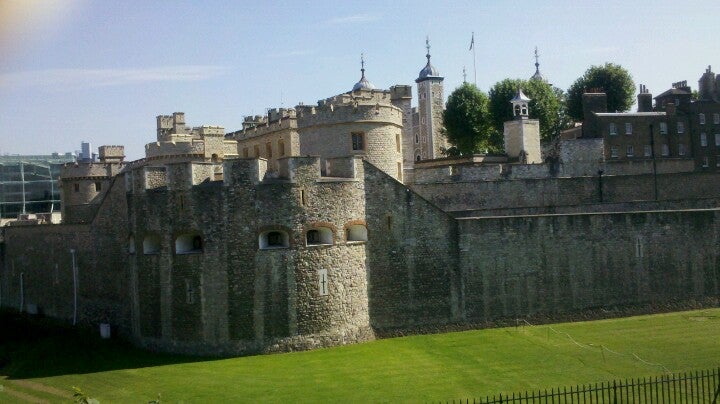
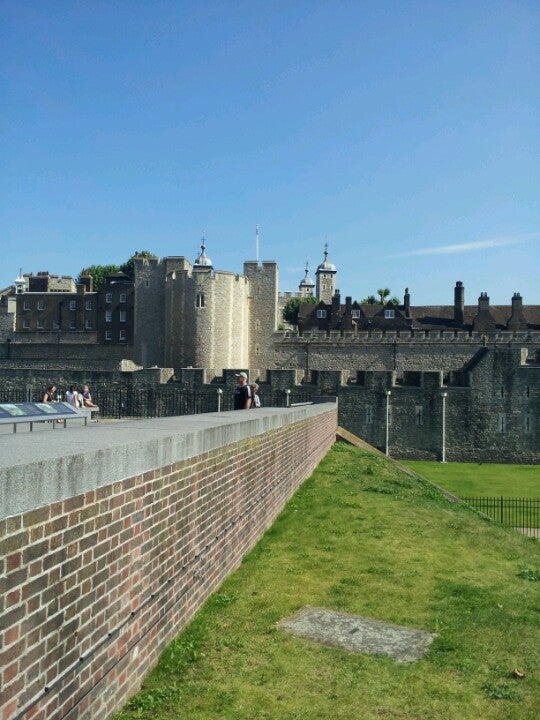 Do you remember who likely died there?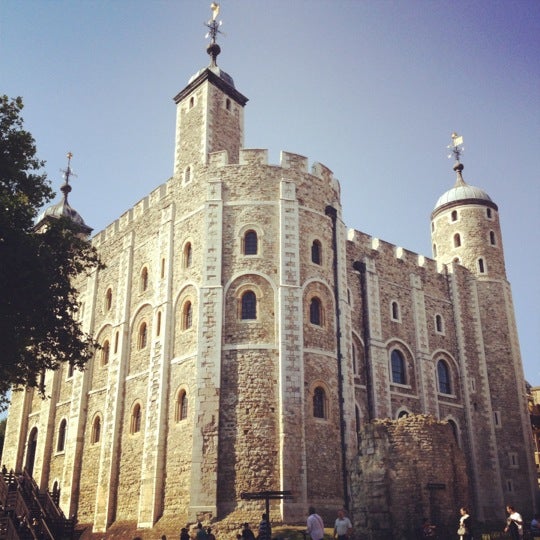
See if you can re-tell the story of the Wars of the Roses to your parents or a friend.
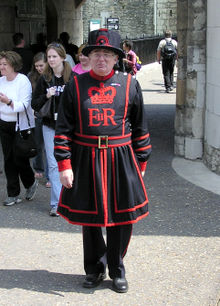
The activity for this week is for you to fold a piece of notebook paper in half vertically and research the two Beefeater uniforms pictured below. Write a brief paragraph on alternate sides of the page telling about when each uniform style is used. You may want to print a picture of each style to paste onto the paper at the top of each side of the page. You will file this in a section of your ring-binder that is labeled Europe:England.
HERE is a link where you may research the information for your work.

Well, that is all for now; see on Friday!
(PS ~ I forgot to mention that doing these assignments DOES get counted as a portion of your overall grade in this class. Your participation in the assignments at home prepares you to contribute to the discussion and work we do inside the classroom. It is important also for your learning. Please do not disappoint me or the class by being negligent of your work; I also do NOT want to ever have to call your parents about your negligence.)
Tuesday, May 22, 2012
Timeline Recitation
Be able to recite these events and dates from the timeline:
Pentecost c. 33 AD
Edict of Milan 313
Fall of Western Roman Empire 476
Birth of Islam 622
Battle of Tours 732
Invasion of the Vikings 793
Leif Ericsson Discovers N. Amer. 1003
Battle of Hastings 1066
Early Crusades 1096
Marco Polo Travels East 1271
John Wycliff, Morning Star 1377
of the Reformation
Death of Joan of Arc 1431
Pentecost c. 33 AD
Edict of Milan 313
Fall of Western Roman Empire 476
Birth of Islam 622
Battle of Tours 732
Invasion of the Vikings 793
Leif Ericsson Discovers N. Amer. 1003
Battle of Hastings 1066
Early Crusades 1096
Marco Polo Travels East 1271
John Wycliff, Morning Star 1377
of the Reformation
Death of Joan of Arc 1431
Friday, May 18, 2012
Semester Test/The Beggar's Bible
The Semester Test is due in to me this Tuesday.
Read chapter 4 of The Beggar's Bible!
Wednesday, May 16, 2012
Continue to Review and The Beggar's Bible
I feel like most students would benefit from further review before taking the Semester II Test.
Looking back at the previous blog's review instructions, you may continue to review lessons 43 - 84. The pre-tests as well as the written review pages are helpful pages to study as well.
Here are the Key Dates from this past semester which you should have memorized, as they are also on the semester test:
Leif Ericsson Discovers America c 1003.
The Battle of Hastings 1066.
The Early Crusades 1096.
Marco Polo Travels East 1271.
John Wycliff, Morning Star of the 1377.
Reformation
The Death of Joan of Arc 1431.
Additionally, read chapter 1 of The Beggar's Bible.
Looking back at the previous blog's review instructions, you may continue to review lessons 43 - 84. The pre-tests as well as the written review pages are helpful pages to study as well.
Here are the Key Dates from this past semester which you should have memorized, as they are also on the semester test:
Leif Ericsson Discovers America c 1003.
The Battle of Hastings 1066.
The Early Crusades 1096.
Marco Polo Travels East 1271.
John Wycliff, Morning Star of the 1377.
Reformation
The Death of Joan of Arc 1431.
Additionally, read chapter 1 of The Beggar's Bible.
Friday, May 11, 2012
Study Time!
Pages 280, 311, 347, 405, 438, and 474 are pages that begin former quizzes you have taken this semester. Study them! Give special attention to any items you missed. If you feel particularly unfamiliar about a topic, go back to that lesson to be reminded of the event or person and their significance to history.
Also, read your history cards twice for lessons 43 through 84.
Wednesday, May 9, 2012
REVIEW
Write the last two history cards and then complete the review work on pages 491-496. Complete all the answers you know. Go back to the lessons and re-read any information you do not know along with the context of that information, using these pages as study for the semester exam. We will do further study and review in class on Friday.
The Ottoman Turks Take Constantinople 83
(1453)
A sultan of the Ottoman Turks, Mohammed II, arose to dominate the last Christian city yet unconquered by Islam. In 1453, Mohammed II led the Ottoman Turks to conquer Constantinople, which they renamed Instanbul. Great philosophers, artists, and scientists fled to western Europe when Constantinople fell; they played a key role in the next phase of His story, known as the Renaissance.
Johannes Gutenberg Invents The Printing Press 84
(1456)
The educated Johannes Gutenberg of Mainz, Germany, built a printing press with changeable letters to spell out a whole page of writing at one time. He could print 200-300 pages in one day on smooth paper made from cotton. In 1456, he and those with him completed 300 copies of Jerome's Latin Bible. Soon afterwards, Wycliffe's followers, the Lollards, set up the first printing press in England to print the Bible in English. Obviously, God was closing out the era of the Dark (or Middle) Ages with the rapid spread of His Light and truth.
The Ottoman Turks Take Constantinople 83
(1453)
A sultan of the Ottoman Turks, Mohammed II, arose to dominate the last Christian city yet unconquered by Islam. In 1453, Mohammed II led the Ottoman Turks to conquer Constantinople, which they renamed Instanbul. Great philosophers, artists, and scientists fled to western Europe when Constantinople fell; they played a key role in the next phase of His story, known as the Renaissance.
Johannes Gutenberg Invents The Printing Press 84
(1456)
The educated Johannes Gutenberg of Mainz, Germany, built a printing press with changeable letters to spell out a whole page of writing at one time. He could print 200-300 pages in one day on smooth paper made from cotton. In 1456, he and those with him completed 300 copies of Jerome's Latin Bible. Soon afterwards, Wycliffe's followers, the Lollards, set up the first printing press in England to print the Bible in English. Obviously, God was closing out the era of the Dark (or Middle) Ages with the rapid spread of His Light and truth.
Monday, May 7, 2012
Correction
The first item in the assignment below had a typing error for the page number: it should read page 482.
Friday, May 4, 2012
Activities
Do Page 432: #3B. Give quality effort to do this; be prepared to share what you write with the class.
Discuss 83A on page 485.
Do Somewhere in Time on page 490. You will map the items listed in CAPITAL LETTERS and in Bold Letters.
Discuss 83A on page 485.
Do Somewhere in Time on page 490. You will map the items listed in CAPITAL LETTERS and in Bold Letters.
Wednesday, May 2, 2012
Review and Quiz
Review the following lessons by studying your history cards for that lesson as well as looking over the key information from the text: Lessons 13, 27, 34, 41-43, 45-46, 49, 51-53, 55, 57, and 61.
Take the Quiz on pages 474-475.
Write the next history card:
The Inkas of South America 82
(1438)
The striking Inka Empire grew strong and rich by the leadership of Pachacuti. The Inkas called their empire the Land of the Four Quarters, and the capital city of Cuzco marked its center point. They had connected their cities with 15,000 miles of highway with markers that counted every six miles, and their messenger service could spread news across the whole land in two days! Pachacutie's special high mountain retreat, Machu Picchu, was only discovered in 1911, over 400 years after the Spanish had found and conquered the Inka empire of over 10 million people.
Take the Quiz on pages 474-475.
Write the next history card:
The Inkas of South America 82
(1438)
The striking Inka Empire grew strong and rich by the leadership of Pachacuti. The Inkas called their empire the Land of the Four Quarters, and the capital city of Cuzco marked its center point. They had connected their cities with 15,000 miles of highway with markers that counted every six miles, and their messenger service could spread news across the whole land in two days! Pachacutie's special high mountain retreat, Machu Picchu, was only discovered in 1911, over 400 years after the Spanish had found and conquered the Inka empire of over 10 million people.
Monday, April 30, 2012
Cards and Activities
Write the following history cards on John Huss and Joan of Arc.
John Huss 80
(1415)
A Bohemian student at Oxford, John Huss translated and taught Wycliffe's teachings to the Bohemians. The church tried to stop him. When the Holy Roman Emperor called the Council of Constance in 1415 in order to end the Great Schism along with any "false teachings" being spread, the emperor ordered Huss to attend. An insincere trial there brought Huss to prison where he was almost starved to death, and then he was burned at the stake for "heresy against the church." John Huss' followers, the Hussites, continued his work, which provoked many people to search for truth in God's Word.
__________________________________________________________________
Read a translated letter of Joan of Arc. Read the third one listed there and dated c. March 22, 1429. In it she is telling certain officials to return French cities to France. You may choose to copy and print one of the letters to file in your notebooks under Europe: France.
__________________________________________________________________
The Life and Death of Joan of Arc 81
(1431)
On May 30, 1431, Joan of Arc submitted with forgiveness to those who lit the fire of her death. At age 17, she was given the lead of France's army which she first called to repentance for their sins. Then she led the military successfully, seeing Charles VII crowned King of France on July 16, 1429 at the city of Reims. She was later captured by Burgundians, French troops disloyal to France, and sold to the English, who put her on trial for "heresy," although she never spoke or worked against the church. The French rallied again after Joan's death to push the English out of France by 1453, ending the Hundred Years' War. King Charles and Joan's mother later led the re-trial that cleared Joan's name of any crimes.
__________________________________________________________________
John Huss 80
(1415)
A Bohemian student at Oxford, John Huss translated and taught Wycliffe's teachings to the Bohemians. The church tried to stop him. When the Holy Roman Emperor called the Council of Constance in 1415 in order to end the Great Schism along with any "false teachings" being spread, the emperor ordered Huss to attend. An insincere trial there brought Huss to prison where he was almost starved to death, and then he was burned at the stake for "heresy against the church." John Huss' followers, the Hussites, continued his work, which provoked many people to search for truth in God's Word.
__________________________________________________________________
Read a translated letter of Joan of Arc. Read the third one listed there and dated c. March 22, 1429. In it she is telling certain officials to return French cities to France. You may choose to copy and print one of the letters to file in your notebooks under Europe: France.
__________________________________________________________________
The Life and Death of Joan of Arc 81
(1431)
On May 30, 1431, Joan of Arc submitted with forgiveness to those who lit the fire of her death. At age 17, she was given the lead of France's army which she first called to repentance for their sins. Then she led the military successfully, seeing Charles VII crowned King of France on July 16, 1429 at the city of Reims. She was later captured by Burgundians, French troops disloyal to France, and sold to the English, who put her on trial for "heresy," although she never spoke or worked against the church. The French rallied again after Joan's death to push the English out of France by 1453, ending the Hundred Years' War. King Charles and Joan's mother later led the re-trial that cleared Joan's name of any crimes.
__________________________________________________________________
Wednesday, April 25, 2012
Activities and Joan of Arc
Read the first two sections on this site about Geoffrey Chaucer. Remember that his influence over our language brought him the title "the father of the English language." He was the first poet buried at Westminster as he had been a clerk at the palace. The tradition of burying literary giants in this location began after Chaucer's burial there.
Read the "Burials and Memorials" section of this page. Click on the pictures on the right side of this page enlarging them for your viewing.
_____________________________________________________________________
Do activity #3 on page 466.
_____________________________________________________________________
Write the following history cards for lessons 78 and 79. Lastly, read lesson 81 on Joan of Arc!
JOHN WYCLIFFE, "MORNING STAR OF THE REFORMATION" 78
(1377)
A scholar of Oxford University in England, John Wycliffe spoke openly against the abusive teachings and behaviors of the Roman Church and of priests who followed her. Wycliffe exhorted them all to return to the authority of God's written Word. He and his followers, the Lollards, then translated the Latin Bible into English and made copies of these Scriptures. Bible preachers could then study, teach, and share God's written Word with all English speaking people.
_______________________________________________________________________
Geoffrey Chaucer and The Canterbury Tales 79
(1387)
Geoffrey Chaucer's famous Canterbury Tales portrays real life in the Middle Ages although it is a fiction work. The tales are in poetic form and number 17,000 lines! Though Chaucer is the author of all the tales, the poem presents them as if each of the common people on their pilgrimage to Canterbury (where Thomas a Becket was buried) are telling the tales to make the time pass more entertainingly. Through this work, Chaucer poked fun at human flaws. Geoffrey Chaucer became known as "the father of the English language."
Read the "Burials and Memorials" section of this page. Click on the pictures on the right side of this page enlarging them for your viewing.
_____________________________________________________________________
Do activity #3 on page 466.
_____________________________________________________________________
Write the following history cards for lessons 78 and 79. Lastly, read lesson 81 on Joan of Arc!
JOHN WYCLIFFE, "MORNING STAR OF THE REFORMATION" 78
(1377)
A scholar of Oxford University in England, John Wycliffe spoke openly against the abusive teachings and behaviors of the Roman Church and of priests who followed her. Wycliffe exhorted them all to return to the authority of God's written Word. He and his followers, the Lollards, then translated the Latin Bible into English and made copies of these Scriptures. Bible preachers could then study, teach, and share God's written Word with all English speaking people.
_______________________________________________________________________
Geoffrey Chaucer and The Canterbury Tales 79
(1387)
Geoffrey Chaucer's famous Canterbury Tales portrays real life in the Middle Ages although it is a fiction work. The tales are in poetic form and number 17,000 lines! Though Chaucer is the author of all the tales, the poem presents them as if each of the common people on their pilgrimage to Canterbury (where Thomas a Becket was buried) are telling the tales to make the time pass more entertainingly. Through this work, Chaucer poked fun at human flaws. Geoffrey Chaucer became known as "the father of the English language."
Friday, April 20, 2012
Activity and Lesson 79
Do 78B on page 452.
With care, read Lesson 79. Tuesday, I am planning on taking you on a brief walk/talk in the cemetery.
With care, read Lesson 79. Tuesday, I am planning on taking you on a brief walk/talk in the cemetery.
Wednesday, April 18, 2012
Card 77 and John Wycliff
Write the history card below and read Lesson 78. Do you think it would be easy to pray for a very long time if you were wearing shoes like this? See what this has to do with this lesson on John Wycliffe!
The Ming Dynasty of China 77
and the Forbidden City
(1368-1644)
The Forbidden City in Beijing is the former palace home to 24 Chinese emperors and their families over a period of 500 years. It was built during the Ming Dynasty which began when Emperor Hungwu drove the Mongols out of Beijing and gave the Chinese back their own government. The third Ming emperor later built the ornate city within a city which includes the world's largest square,Tiananmen Square.

The Ming Dynasty of China 77
and the Forbidden City
(1368-1644)
The Forbidden City in Beijing is the former palace home to 24 Chinese emperors and their families over a period of 500 years. It was built during the Ming Dynasty which began when Emperor Hungwu drove the Mongols out of Beijing and gave the Chinese back their own government. The third Ming emperor later built the ornate city within a city which includes the world's largest square,Tiananmen Square.
Friday, April 13, 2012
Catching Up and Lesson 77
For those who did not see the Homework assignment from Tuesday, please complete that assignment first, which included a Quiz. The assignment can be found on the Literature Blog UNDER Tuesday's Literature assignment! Congratulations to Allie for noticing it there and doing her homework!
Then, complete Lesson 77 from our stopping point in class. You may enjoy trying Activity 77A on page 448! Also, remember to discuss with your parents their remembrance of 77C, #1 on page 449. Look up extra information on the internet for discussion if needed; print something of remembrance of the topic and file it in your notebook under Asia: China.
Then, complete Lesson 77 from our stopping point in class. You may enjoy trying Activity 77A on page 448! Also, remember to discuss with your parents their remembrance of 77C, #1 on page 449. Look up extra information on the internet for discussion if needed; print something of remembrance of the topic and file it in your notebook under Asia: China.
Friday, March 30, 2012
The Mexica and The Hundred Years' War
Do Activity 74 B #1 on page 433 and 74 B #3 on page 434.
Read Lesson 75, The Hundred Years' War.
Read Lesson 75, The Hundred Years' War.
Wednesday, March 28, 2012
Dante, Poet of the Middle Ages
Read Lesson 73 on Dante, Poet of the Middle Ages. Record the next 3 history cards.
The Great Khans and the Mongol Invasion of China 70
(1260)
Genghis Khan unified the wandering Mongol people under his ruthless military leadership. He conquered and ruled northern China, southern Russia, and parts of Muslim Persia to dominate two-thirds of the known world under one Mongol code of laws, the Yassa. His grandson Kublai Khan spread the kingdom even further, replacing China's Song Dynasty with the Mongol Yuan Dynasty in 1260, which lasted about 100 years.
Marco Polo Travels East 71
(1271)
Marco Polo traveled when 17 years old with his Dad and uncle to China. They were traveling merchants from Venice, Italy. It was 1271, and their special trip was one of the longest recorded in Medieval history. Eventually, Marco Polo worked for Kublai Khan, completing errands on behalf of the Khan across the Mongol Empire. Many of his experiences of Chinese life during Mongol rule were later recorded by a French friend, Rustichello, in The Book of Marco Polo.
Sir William Wallace and Robert Bruce, "Bravehearts" of Scotland 72
(1298 and 1314)
After Edward I, King of England, set 3 Englishmen to rule over Scotland, Sir William Wallace led the Scottish people to fight England for Scotland's freedom. Although they won a battle, the Scots were crushed in 1298; Wallace had to hide to preserve his life and came to lose it, being executed for treason against the King of England. Robert Bruce later took Sir Wallace's position of rallying Scotland against England's rule. They defeated King Edward II in 1314. Finally, King Edward III crowned Bruce the sole King of Scotland, King Robert I, in 1328.
Marco Polo Travels East 71
(1271)
Marco Polo traveled when 17 years old with his Dad and uncle to China. They were traveling merchants from Venice, Italy. It was 1271, and their special trip was one of the longest recorded in Medieval history. Eventually, Marco Polo worked for Kublai Khan, completing errands on behalf of the Khan across the Mongol Empire. Many of his experiences of Chinese life during Mongol rule were later recorded by a French friend, Rustichello, in The Book of Marco Polo.
Sir William Wallace and Robert Bruce, "Bravehearts" of Scotland 72
(1298 and 1314)
After Edward I, King of England, set 3 Englishmen to rule over Scotland, Sir William Wallace led the Scottish people to fight England for Scotland's freedom. Although they won a battle, the Scots were crushed in 1298; Wallace had to hide to preserve his life and came to lose it, being executed for treason against the King of England. Robert Bruce later took Sir Wallace's position of rallying Scotland against England's rule. They defeated King Edward II in 1314. Finally, King Edward III crowned Bruce the sole King of Scotland, King Robert I, in 1328.
Saturday, March 24, 2012
The Taj Mahal
Do exercise 70B on page 412. For those who missed reading lesson 70, please do so.
Review the following people/characters from the following lessons:
Lesson 3 Paul
10 Bar-Kokhba
19 St.Patrick
23 King Arthur
29 Mohammed
31 Buddha (Here's a church Link of interest.)
38 Aladdin
40 Odin
46 Wenceslas
49 Confucius
54 El Cid
62 Robin Hood
63 samurai warriors
Review the following people/characters from the following lessons:
Lesson 3 Paul
10 Bar-Kokhba
19 St.Patrick
23 King Arthur
29 Mohammed
31 Buddha (Here's a church Link of interest.)
38 Aladdin
40 Odin
46 Wenceslas
49 Confucius
54 El Cid
62 Robin Hood
63 samurai warriors
Wednesday, March 21, 2012
History Cards/Review
Write the following history cards. Study the list below the cards and then take the quiz on pages 405-407, and the bonus paragraph is not required.
King John and The Magna Carta 66
(1215)
After heavily taxing England and living above the law, ruthless King John had to submit to an army of nobles and barons at Runnymede on June 15, 1215. He was forced to put his seal on the document, The Magna Carta. It listed rights, by law, the people possessed, and it put limits on the power of the King. The Magna Carta has been called "the cornerstone of liberty," as it has served as a model to help shape the free nations of the world such as the United States, Canada, and France.
Frederick II, the Amazement of the World 67
(1229)
Mostly left to raise himself as a child, Frederick II, Holy Roman Emperor, ruled in the midst of a great power struggle with the Pope. Being a friend to the Egyptian Sultan who oversaw Jerusalem, the Sultan granted Frederick II the role of the King of Jerusalem. Without the Pope's trust and support, Frederick II crowned himself King of the holy city in 1229. He lived immorally, was over-bearing as a ruler, and helped the Pope punish "heretics," even though he himself could be considered one. With his death in 1250, the struggle between Pope and Emperor seemed also to die, and Frederick II is remembered as "Stupor Mundi," which is Latin for "the amazement of the world."
St. Thomas Aquinas, Philosopher of the Middle Ages 68
(1252)
Kidnapped by his own brothers to prevent his joining the Dominican friars, he persisted in his devotion and made it to Paris in about 1252 and was tutored by the renowned scholar Albert Magnus. Thomas meshed many branches of knowledge in his greatest written work, Summa Theologica. In it, he also attempted to explain Christianity in light of Aristotle's teachings for the Muslims.
Roger Bacon, Scientist of the Middle Ages 69
(1253)
An English scholar of Oxford, Roger Bacon explained the properties of light and invented the magnifying glass. He could foresee the possibilities of inventions hundreds of years before they occurred, such as guns, cars, airplanes, and even submarines. Bacon is known for his thoughts on scientific experimentation. He recorded his philosophies in the famous Opus Maius. However, the Franciscans whom he had joined in 1253 exiled him for 15 years in penalty of his academic pursuits.
Topics to Review
Know with which locations or land areas the following people were associated: the Essenes, Prince Shotoku, Li Shi Min, St.Augustine, the Maya, Justinian and Theodora, Mohammed, and Samudragupta.
Review the first recorded attack of the Vikings, Zimbabwe, and Vladimer of Russia.
Look back to remember what General Yin of the Song Dynasty of China did, who the "Coptics" were, where Leif Ericsson explored, what occurred in the Investiture Controversey, the founding of the Franciscans, the signing of the Magna Carta, all the areas over which Frederick II was King, and who exiled Roger Bacon.
If you were alert for our review in class on Tuesday and if you review these topics well, you should make a high score on the quiz!
St. Thomas Aquinas, Philosopher of the Middle Ages 68
(1252)
Kidnapped by his own brothers to prevent his joining the Dominican friars, he persisted in his devotion and made it to Paris in about 1252 and was tutored by the renowned scholar Albert Magnus. Thomas meshed many branches of knowledge in his greatest written work, Summa Theologica. In it, he also attempted to explain Christianity in light of Aristotle's teachings for the Muslims.
Roger Bacon, Scientist of the Middle Ages 69
(1253)
An English scholar of Oxford, Roger Bacon explained the properties of light and invented the magnifying glass. He could foresee the possibilities of inventions hundreds of years before they occurred, such as guns, cars, airplanes, and even submarines. Bacon is known for his thoughts on scientific experimentation. He recorded his philosophies in the famous Opus Maius. However, the Franciscans whom he had joined in 1253 exiled him for 15 years in penalty of his academic pursuits.
Topics to Review
Know with which locations or land areas the following people were associated: the Essenes, Prince Shotoku, Li Shi Min, St.Augustine, the Maya, Justinian and Theodora, Mohammed, and Samudragupta.
Review the first recorded attack of the Vikings, Zimbabwe, and Vladimer of Russia.
Look back to remember what General Yin of the Song Dynasty of China did, who the "Coptics" were, where Leif Ericsson explored, what occurred in the Investiture Controversey, the founding of the Franciscans, the signing of the Magna Carta, all the areas over which Frederick II was King, and who exiled Roger Bacon.
If you were alert for our review in class on Tuesday and if you review these topics well, you should make a high score on the quiz!
Saturday, March 17, 2012
Wednesday, March 14, 2012
King John and the Magna Carta
Read Lesson 66. Do the map activity on page 386, marking the paths of the Children's Crusades. Write the following history cards.
St. Francis of Assisi, St. Clara, and St. Dominic 64
(1210, 1212, 1216)
In contrast to the wealthy Medieval Church, St. Francis gave away all his riches to mingle among the masses, preaching Christ, as did his followers who came to be called Franciscans. One such follower, St. Clara, in 1212 formed the Second Order of Franciscans, a convent for women who devotedly worked for Christ and served people. St. Dominic, from Spain, likewise led the order of Dominicans, recognized officially in 1216 by the Pope, and also reached out to heretics and avidly supported higher education.
The Children's Crusade 65
(1212)
Two boys about 12 years old led separate groups of thousands of children to march to Jerusalem, believing God had called them in order to use them to remove the Muslims from power. Nicholas' group from Germany crossed the Alps but were not helped to cross the sea once they reached Genoa, Italy. Stephen's group from France were loaded onto ships when they reached the coast of France. Many died in the two ships that sunk, and the others were taken to Africa and sold into slavery to Arabs there. The ship owners responsible for this evil were later hanged for something else ~ for attempting to kidnap the Emperor.
If you would like to read more details about the Children's Crusade, you may gain additional insight and understanding from this article.
St. Francis of Assisi, St. Clara, and St. Dominic 64
(1210, 1212, 1216)
In contrast to the wealthy Medieval Church, St. Francis gave away all his riches to mingle among the masses, preaching Christ, as did his followers who came to be called Franciscans. One such follower, St. Clara, in 1212 formed the Second Order of Franciscans, a convent for women who devotedly worked for Christ and served people. St. Dominic, from Spain, likewise led the order of Dominicans, recognized officially in 1216 by the Pope, and also reached out to heretics and avidly supported higher education.
The Children's Crusade 65
(1212)
Two boys about 12 years old led separate groups of thousands of children to march to Jerusalem, believing God had called them in order to use them to remove the Muslims from power. Nicholas' group from Germany crossed the Alps but were not helped to cross the sea once they reached Genoa, Italy. Stephen's group from France were loaded onto ships when they reached the coast of France. Many died in the two ships that sunk, and the others were taken to Africa and sold into slavery to Arabs there. The ship owners responsible for this evil were later hanged for something else ~ for attempting to kidnap the Emperor.
If you would like to read more details about the Children's Crusade, you may gain additional insight and understanding from this article.
Friday, March 9, 2012
Lesson 64
Take your time and read Lesson 64, enjoying learning from these saints who lived their lives to the extreme in the name of Christ!
Use this link to view the beautiful Basilica of St. Francis. If you wish, you may print a photo from this or another website of your choosing to file under "Europe: Italy."
Use this link to view the beautiful Basilica of St. Francis. If you wish, you may print a photo from this or another website of your choosing to file under "Europe: Italy."
Tuesday, March 6, 2012
Shoguns and Samuri of Japan
Read Lesson 63 ~ The Shoguns and Samurai of Japan.
Write the following history cards:
Richard the Lionhearted, Saladin, and the Third Crusade 61
1192
Two very chivalrous men met at war during the Third Crusade. The one of three kings on the Third Crusade to meet Saladin, the Muslim Sultan of Egypt who had recaptured Jerusalem, Richard the Lionhearted won Saladin's reverence with his emotionally expressive courage. Circumstances brought them to form a peace treaty, and Saladin soon afterward died. Several years later, Richard was killed with a crossbow.
The Classic Tale of Robin Hood 62
(date unknown)
Facts from a tombstone in Yorkshire, England, date the man's death at 1247; he was Robert, the Earl of Huntingdon. The limited facts about him appealed to storytellers, who never tire of keeping the legends alive, which may originally have contained some truths.
For study and review, do the text work pages 363 - 366.
Write the following history cards:
Richard the Lionhearted, Saladin, and the Third Crusade 61
1192
Two very chivalrous men met at war during the Third Crusade. The one of three kings on the Third Crusade to meet Saladin, the Muslim Sultan of Egypt who had recaptured Jerusalem, Richard the Lionhearted won Saladin's reverence with his emotionally expressive courage. Circumstances brought them to form a peace treaty, and Saladin soon afterward died. Several years later, Richard was killed with a crossbow.
The Classic Tale of Robin Hood 62
(date unknown)
Facts from a tombstone in Yorkshire, England, date the man's death at 1247; he was Robert, the Earl of Huntingdon. The limited facts about him appealed to storytellers, who never tire of keeping the legends alive, which may originally have contained some truths.
For study and review, do the text work pages 363 - 366.
Friday, March 2, 2012
Quiz 20 and Lesson 61
You may look back at the last blog post if you wish to review a little more before taking Quiz 20. Then, take Quiz 20 on pages 347 - 348!
Using the map outline page 509 which you received today, do map activity #3 on page 327.
Read Lesson 61.
Using the map outline page 509 which you received today, do map activity #3 on page 327.
Read Lesson 61.
Wednesday, February 29, 2012
Map Work, Review, and Lesson 60
Complete reading Lesson 59, pages 338-339. Also read Lesson 60 on the Jews of the Middle Ages.
Do map activity #2 for The Battle of Hastings on page 327 using the map page handout, page 509.
Study for the quiz by reviewing the history cards and lessons 11, 18, 27, 30, 32, 35, 37-39, 41, 43-44, 46, 48-49, 55-56, and 58-60.
Do map activity #2 for The Battle of Hastings on page 327 using the map page handout, page 509.
Study for the quiz by reviewing the history cards and lessons 11, 18, 27, 30, 32, 35, 37-39, 41, 43-44, 46, 48-49, 55-56, and 58-60.
Friday, February 17, 2012
History Card/ Key Dates/ Lesson 58
Write history card ~ The Early Crusades 57
1096
Pope Urban II responded to the Byzantine Emperor's plea for help against the Muslims from Turkistan. They had moved into Palestine, torturing and killing Christians and Jews, and were warring non-stop against Constantinople. The Pope agreed to help. 15,000 crusaders responded to the Pope's urging, but without leadership and planning, they starved on the way or were slaughtered by Turks. Three years later, nobles and knights organized a more proper "First Crusade" and reclaimed Palestine.
Review cards 55 - 57.
Study these dates and events for memorization:
33AD Pentecost
313 Edict of Milan
476 Fall of Western Roman Empire
622 Birth of Islam
732 Battle of Tours
793 Invasion of the Vikings
1003 Leif Ericsson Discovers North America
1066 Battle of Hastings
1096 Early Crusades
Read Lesson 58.
1096
Pope Urban II responded to the Byzantine Emperor's plea for help against the Muslims from Turkistan. They had moved into Palestine, torturing and killing Christians and Jews, and were warring non-stop against Constantinople. The Pope agreed to help. 15,000 crusaders responded to the Pope's urging, but without leadership and planning, they starved on the way or were slaughtered by Turks. Three years later, nobles and knights organized a more proper "First Crusade" and reclaimed Palestine.
Review cards 55 - 57.
Study these dates and events for memorization:
33AD Pentecost
313 Edict of Milan
476 Fall of Western Roman Empire
622 Birth of Islam
732 Battle of Tours
793 Invasion of the Vikings
1003 Leif Ericsson Discovers North America
1066 Battle of Hastings
1096 Early Crusades
Read Lesson 58.
Tuesday, February 14, 2012
History Cards/Review
Write the following history cards after completing the last assignment if you have not done so.
Leif Ericsson Discovers North America #52
c.1003
About 500 years before Christopher Columbus, Leif Ericsson landed on North American soil as the first white man to do so. He was the son of Eric the Red and was nicknamed "Leif the Lucky" for saving the crew of a sinking ship. He made 3 trips with different landings in present-day Canada but never permanently settled there. Columbus later visited Iceland to learn of this "New World" of which these Vikings knew!
Macbeth, King of Scotland #53
1040
An ambitious General in Scotland under King Duncan I, Macbeth killed his King by hand in 1040 AD. He then ruled well for 17 years. However, King Duncan's son, Malcolm III, revenged his father's murder by killing Macbeth, also by hand. He soon removed Macbeth's stepson from the throne and became King of Scotland during their time of a brutal history.
El Cid, a Spanish Hero #54
1040
Born in 1040, this Spanish Knight fought for anyone who would pay him. First for the Muslims but later for the Christians, he led the recapture of the city of Valencia, on the shore of Spain, from the Muslims and ruled well as a Governor. The Muslims were pushed out of the region, and Spanish literature developed "El Cid's" identity into a national hero.
Review the following History Cards in preparation for a Quiz on Friday: #s 7, 16, 17, 21, 25, 26, 28 - 30, 36, 42, 43, 45, 47, and 51 - 54.
Complete the small part of reading from Lesson 56 which we did not get to finish in class today, the last part of page 321 through 322.
Leif Ericsson Discovers North America #52
c.1003
About 500 years before Christopher Columbus, Leif Ericsson landed on North American soil as the first white man to do so. He was the son of Eric the Red and was nicknamed "Leif the Lucky" for saving the crew of a sinking ship. He made 3 trips with different landings in present-day Canada but never permanently settled there. Columbus later visited Iceland to learn of this "New World" of which these Vikings knew!
Macbeth, King of Scotland #53
1040
An ambitious General in Scotland under King Duncan I, Macbeth killed his King by hand in 1040 AD. He then ruled well for 17 years. However, King Duncan's son, Malcolm III, revenged his father's murder by killing Macbeth, also by hand. He soon removed Macbeth's stepson from the throne and became King of Scotland during their time of a brutal history.
El Cid, a Spanish Hero #54
1040
Born in 1040, this Spanish Knight fought for anyone who would pay him. First for the Muslims but later for the Christians, he led the recapture of the city of Valencia, on the shore of Spain, from the Muslims and ruled well as a Governor. The Muslims were pushed out of the region, and Spanish literature developed "El Cid's" identity into a national hero.
Review the following History Cards in preparation for a Quiz on Friday: #s 7, 16, 17, 21, 25, 26, 28 - 30, 36, 42, 43, 45, 47, and 51 - 54.
Complete the small part of reading from Lesson 56 which we did not get to finish in class today, the last part of page 321 through 322.
Monday, February 13, 2012
History Cards and "El Cid"
Read Lesson 54 about the Spanish hero, El Cid!
Write the following history cards in review of these lessons:
St. Simon and the Coptic Orthodox Church (50)
979
The Coptic Church in Alexandria, Egypt, combined the Greek alphabet with Egyptian words and symbols. These Christians were largely overrun by Arab Muslims, yet a minority maintained their faith. In 979, an Islamic King witnessed the power of God through the prayers of the Coptics and the humility and faith of a poor shoemaker named Simon. They trusted God to move a mountain to prove to the Jews and the King that God was real. As a result, the Muslim King gave praise to God and ordered Christian persecution to cease and personally oversaw the building of a Christian church at the mountain.
Eric the Red and the Settlement of Greenland (51)
985
Eric the Red, from Norway, forced to leave Iceland for a double murder, explored and then settled in "Greenland" in 985 AD, which he named such in order to attract others. Although the middle of the island is permafrost and subject to moving glaciers, the settlers survived over 400 years. We learn of their history from the historical poetry, or sagas, they wrote which were preserved.
Write the following history cards in review of these lessons:
St. Simon and the Coptic Orthodox Church (50)
979
The Coptic Church in Alexandria, Egypt, combined the Greek alphabet with Egyptian words and symbols. These Christians were largely overrun by Arab Muslims, yet a minority maintained their faith. In 979, an Islamic King witnessed the power of God through the prayers of the Coptics and the humility and faith of a poor shoemaker named Simon. They trusted God to move a mountain to prove to the Jews and the King that God was real. As a result, the Muslim King gave praise to God and ordered Christian persecution to cease and personally oversaw the building of a Christian church at the mountain.
Eric the Red and the Settlement of Greenland (51)
985
Eric the Red, from Norway, forced to leave Iceland for a double murder, explored and then settled in "Greenland" in 985 AD, which he named such in order to attract others. Although the middle of the island is permafrost and subject to moving glaciers, the settlers survived over 400 years. We learn of their history from the historical poetry, or sagas, they wrote which were preserved.
Wednesday, February 8, 2012
Reports and Leif Ericsson
Each student has the 1 page report from page 294 listed here:
Allie ~ the recently discovered home of Eric the Red. Jacob ~ polar bears.
Connor ~ dogsled teams. Joseph ~ mummies.
Each person will inform the class what they learned about their topic.
Write or Type History Card 49 - The Song Dynasty of China (960).
Started by General Yin in 960, he made Kaifeng the new capital city. Thriving trade markets and the entertainment industry brought about 24-hour restaurants in Kaifeng. The Song Dynasty lasted about 300 years and is remembered for the times' inventions: paper money, porcelain, explosive weapons, acupuncture, the compass needle, and movable type. Unfortunately, they also practiced foot binding of female infants to make their women have "lily feet."
Read Lesson 52.
Allie ~ the recently discovered home of Eric the Red. Jacob ~ polar bears.
Connor ~ dogsled teams. Joseph ~ mummies.
Each person will inform the class what they learned about their topic.
Write or Type History Card 49 - The Song Dynasty of China (960).
Started by General Yin in 960, he made Kaifeng the new capital city. Thriving trade markets and the entertainment industry brought about 24-hour restaurants in Kaifeng. The Song Dynasty lasted about 300 years and is remembered for the times' inventions: paper money, porcelain, explosive weapons, acupuncture, the compass needle, and movable type. Unfortunately, they also practiced foot binding of female infants to make their women have "lily feet."
Read Lesson 52.
Monday, February 6, 2012
History Cards/Review
Review the highlights and what we discussed from Lessons 46 - 48. Write these history cards from these lessons and study.
Write history card #46: Good King Wenceslas
929
Wenceslas would not deny his faith in Jesus Christ, learned from his grandparents, the Prince of Czechoslovakia and Ludmilla, after his pagan mother had Ludmilla murdered. Wenceslas became the Duke of Behemia when he turned 18 and was an exceptional ruler of kindness, generosity, and forgiveness. Yet, his brother, Boleslav, plotted his murder. Wenceslas forgave his Boleslav while facing his sword, but other nobles slew him anyway on the steps of his church in 929AD.
History Card #47: Otto I and the Holy Roman Empire
936
Becoming King of Germany in 936, Otto I grew the nation by conquering surrounding lands. Because he aided the Pope John XII by squelching an Italian uprising in Italy, the Pope crowned Otto the Roman Emporer of the West. A few hundred years later, the word "Holy" was added to the title to refer to this western European empire under German rule. Otto I used Christianity to unit all people under his rule by force, uniting the power of the govt. and the church. Despite these issues, Germany became very prosperous during the following century, and it all started with Otto I.
History Card #48: Vladimer I of Russia
c. 956
King Vladimer I, descendent of the Viking, Rurik, was born about 956 AD. Influenced by Christian grandparents, he felt it important to establish a church for Russia. After his representatives investigated the Eastern and Western Orthodox Churches, he decided the beauty of the Eastern one was superior. He commissioned missionaries from Constantinople to build Russia's Church, and he also married a Byzantine princess, Anna. God's Word had spread from the missionaries, but Vladimer I soon required conversion and baptism, thus polluting the Christian faith in Russia.
Write history card #46: Good King Wenceslas
929
Wenceslas would not deny his faith in Jesus Christ, learned from his grandparents, the Prince of Czechoslovakia and Ludmilla, after his pagan mother had Ludmilla murdered. Wenceslas became the Duke of Behemia when he turned 18 and was an exceptional ruler of kindness, generosity, and forgiveness. Yet, his brother, Boleslav, plotted his murder. Wenceslas forgave his Boleslav while facing his sword, but other nobles slew him anyway on the steps of his church in 929AD.
History Card #47: Otto I and the Holy Roman Empire
936
Becoming King of Germany in 936, Otto I grew the nation by conquering surrounding lands. Because he aided the Pope John XII by squelching an Italian uprising in Italy, the Pope crowned Otto the Roman Emporer of the West. A few hundred years later, the word "Holy" was added to the title to refer to this western European empire under German rule. Otto I used Christianity to unit all people under his rule by force, uniting the power of the govt. and the church. Despite these issues, Germany became very prosperous during the following century, and it all started with Otto I.
History Card #48: Vladimer I of Russia
c. 956
King Vladimer I, descendent of the Viking, Rurik, was born about 956 AD. Influenced by Christian grandparents, he felt it important to establish a church for Russia. After his representatives investigated the Eastern and Western Orthodox Churches, he decided the beauty of the Eastern one was superior. He commissioned missionaries from Constantinople to build Russia's Church, and he also married a Byzantine princess, Anna. God's Word had spread from the missionaries, but Vladimer I soon required conversion and baptism, thus polluting the Christian faith in Russia.
Tuesday, January 31, 2012
Review Work and Lesson 49
In the way of study and review, which is very important to learning History, do page 269. Whatever you do not remember, look back and read about it to remind yourself ~ and read it thoughtfully and maybe even talk it through to someone, especially if it's like new to you!
Do the top of page 272: do you remember the family relationships of Duke Wenceslas that so greatly affected his life? Talk through who each person was and who did what to who.
Do page 48B, page 278.
Do "Somewhere in Time", page 279.
Then finally, read Lesson 49.
Do the top of page 272: do you remember the family relationships of Duke Wenceslas that so greatly affected his life? Talk through who each person was and who did what to who.
Do page 48B, page 278.
Do "Somewhere in Time", page 279.
Then finally, read Lesson 49.
Friday, January 27, 2012
Before moving into the new assignment, here is a link for the music we sang today of Good KingWenceslas. I like it for the classic sound of the carol. However, I like this version for the video as it shows a little more of the story of the Duke.
Next, go ahead and write the next history card - #45.
The Great Zimbabwe of Africa
c. 900
Great Zimbabwe, in the southeast corner of Africa, means "great stone house." Their special brick buildings set them apart from their neighbors and endured time to preserve a record of their prior lifestyle. They traded precious metals, even gold, produced musical instruments such as brass gongs, made glass beads, and were productive farmers.
Read Lesson 47. In class Tuesday we will enjoy some "German" food dishes, although I can't promise how authentically I can make them, while I read you a Grimm fairy tale or two!
Research a little information about the Black Forest of Germany, putting it in the form of a brochure that you will share as if you are a travel agent in class on Tuesday. We'll see how many of us will want to go after that!
Next, go ahead and write the next history card - #45.
The Great Zimbabwe of Africa
c. 900
Great Zimbabwe, in the southeast corner of Africa, means "great stone house." Their special brick buildings set them apart from their neighbors and endured time to preserve a record of their prior lifestyle. They traded precious metals, even gold, produced musical instruments such as brass gongs, made glass beads, and were productive farmers.
Read Lesson 47. In class Tuesday we will enjoy some "German" food dishes, although I can't promise how authentically I can make them, while I read you a Grimm fairy tale or two!
Research a little information about the Black Forest of Germany, putting it in the form of a brochure that you will share as if you are a travel agent in class on Tuesday. We'll see how many of us will want to go after that!
Tuesday, January 24, 2012
New Zealand and Zimbabwe, Africa!
Click Iceland is Cool! to see pictures; scroll down to see additional landscape picture links! Field Trip anyone?
Now, check out these New Zealanders: (the first of which is extinct) http://messybeast.com/extinct/moa.htm and this one http://news.nationalgeographic.com/news/2006/02/0217_060217_kiwi.html which is the national symbol New Zealand!
Complete the reading of Lesson 44, pages 259 - 260.
View the "Southern Cross" which New Zealand stargazers view. Parents, it's a good time to go "tramping!" That's the New Zealand term for hiking about in your natural surroundings: take time to go out during early morning or evening for a tramp about to listen to and spot local birds, observe squirrels playing chase, smell the damp soil wet with dew and blooming flowers: our unseasonably warm weather if very conducive to a "tramp" about our area. Enjoy!
Read Lesson 45.
Now, check out these New Zealanders: (the first of which is extinct) http://messybeast.com/extinct/moa.htm and this one http://news.nationalgeographic.com/news/2006/02/0217_060217_kiwi.html which is the national symbol New Zealand!
Complete the reading of Lesson 44, pages 259 - 260.
View the "Southern Cross" which New Zealand stargazers view. Parents, it's a good time to go "tramping!" That's the New Zealand term for hiking about in your natural surroundings: take time to go out during early morning or evening for a tramp about to listen to and spot local birds, observe squirrels playing chase, smell the damp soil wet with dew and blooming flowers: our unseasonably warm weather if very conducive to a "tramp" about our area. Enjoy!
Read Lesson 45.
Monday, January 23, 2012
Quarter 3
Read the introduction to our new quarter, pages 249 - 251. Also read the next lesson ~ Lesson 43.
Tuesday, January 10, 2012
January 17th Homework for Friday, Jan.20th.
All of the Lessons for the Quarter should be completed now and even reviewed steadily in class. Take this week to review and study the people, events, nations, dates, etc. that have been covered the first half of the year.
The History Cards, the exercises and written reviews in the text, and the lessons all are good ways to study for the Exam that will be given in class on Friday.
Students should NOT pre-view the test.
The History Cards, the exercises and written reviews in the text, and the lessons all are good ways to study for the Exam that will be given in class on Friday.
Students should NOT pre-view the test.
For Friday, Jan 13th ~ The Vikings!
Before beginning the two lessons on the Vikings, Lessons 39 and 40, remember to complete the final section of Lesson 38 which we were reading in class today.
Take time to read thoughtfully and to dwell on what you read to comprehend it so that it will stick with you better!
Take time to read thoughtfully and to dwell on what you read to comprehend it so that it will stick with you better!
Tuesday, January 3, 2012
Review and then ~ Charlemagne
Use the exercise on page 205 to review: use the text lesson pages and/or your history cards to put each group into chronological order. Beside each item, write the date of importance associated with them.
Read Lesson 37.
Read Lesson 37.
Subscribe to:
Posts (Atom)