Read Lesson 14 thoughtfully, writing your history card for this lesson.
You will have a quiz next week on people from the first 12 lessons. This is the list (in random order) of those you will need to know:
Ivan the Great, Henry VI, Cosimo de'Medici, San Salvador, Amerigo Vespucci, Mansa Musa, Henry Tudor, Ferdinand, Christopher Columbus, Arawak, Ismail, Savonarola, Leonardo da Vinci, Vasco de Gama, Sandro Botticelli, Brunelleschi, Sophia, Bartolomeu Dias, Abbas the Great, Madonna Elisabetta, Askia Muhammed I, Pope Alexander VI, Tomas de Torquemada, and Lorenzo de'Medici.
Friday, September 28, 2012

Wednesday, September 26, 2012
Michelangelo
Review, again, all your history cards. Are there any which are not
really very much help to you because it was not done well? If so, go
ahead and make the effort to re-do any that are not very well done.
Read Lesson 13 on Michelangelo and write its card.
After reading the lesson, choose the piece of poetry you like best written by Michelangelo. Copy it onto a piece of paper titled "Michelangelo: Artist and Poet." File it in your notebook under Europe:Italy.
Read Lesson 13 on Michelangelo and write its card.
After reading the lesson, choose the piece of poetry you like best written by Michelangelo. Copy it onto a piece of paper titled "Michelangelo: Artist and Poet." File it in your notebook under Europe:Italy.
Saturday, September 22, 2012
The Safavid Empire of Persia
The Royal Palace in Iran reflects Persian architecture. Scroll through the many pictures at the site at the link, reading the descriptions about it in the upper right corner to each picture.
Next, view the beautiful pictures after reading the titles to know what you are viewing about the Royal mosque.
Read Lesson 11, making your history card too. Then, read through all of your history cards.
Next, view the beautiful pictures after reading the titles to know what you are viewing about the Royal mosque.
Read Lesson 11, making your history card too. Then, read through all of your history cards.
Tuesday, September 18, 2012
West African Empires
After completing your history card for lesson 8 covered in class today, read Lesson 9 and complete its card also.
Using the map of North Africa given in class, outline with a fine tip pen or marker and label the following countries:
(Going Clockwise)
A) Algeria, Tunisia, Libya, Egypt
B) Sudan, Eritrea, Djibouti, Ethiopia
C) Somalia, Chad, Central African Republic, Cameroon
D) Nigeria, Niger, Benin, Togo
E) Ghana, Burkina Faso, Mali, Cote d"Ivoire
F) Liberia, Sierra Leone, Guinea, Guinea-Bissau
G) The Gambia, Senegal, Mauritania, Western Sahara, Morocco
And lastly, label these rivers: the Niger River, the Nile, the Blue Nile, and the White Nile
Using the map of North Africa given in class, outline with a fine tip pen or marker and label the following countries:
(Going Clockwise)
A) Algeria, Tunisia, Libya, Egypt
B) Sudan, Eritrea, Djibouti, Ethiopia
C) Somalia, Chad, Central African Republic, Cameroon
D) Nigeria, Niger, Benin, Togo
E) Ghana, Burkina Faso, Mali, Cote d"Ivoire
F) Liberia, Sierra Leone, Guinea, Guinea-Bissau
G) The Gambia, Senegal, Mauritania, Western Sahara, Morocco
And lastly, label these rivers: the Niger River, the Nile, the Blue Nile, and the White Nile
Friday, September 14, 2012
Study for Quiz on 1-6; Christopher Columbus!
Students will have a Quiz on the first 6 history lessons this Tuesday. Here is a list of the important people and places with which they should be thoroughly knowledgeable:
Richard III/Henry IV the Medicis Brunelleschi Ferdinand Tomas de Torquemada Tartar Mongols
Ivan the Great the Kremlin Prester John Vasco de Gama India King Ferrante Sandro Botticelli
Read Lesson 7 on Christopher Columbus and write study card 7.
Richard III/Henry IV the Medicis Brunelleschi Ferdinand Tomas de Torquemada Tartar Mongols
Ivan the Great the Kremlin Prester John Vasco de Gama India King Ferrante Sandro Botticelli
Read Lesson 7 on Christopher Columbus and write study card 7.
Tuesday, September 11, 2012
The Cape of Good Hope and Lorenzo the Magnificent
Complete all history cards yet unfinished before lesson 5.
Read Lesson 5. Complete history card 5.
What we know about history comes from primary sources. Students are not required to read this entire collection of written entries of his experiences, written by Vasco de Gama himself, but I recommend them finding several interesting paragraphs to read. It will help them understand from whence true history is assimilated!
Read Lesson 6.
Read Lesson 5. Complete history card 5.
What we know about history comes from primary sources. Students are not required to read this entire collection of written entries of his experiences, written by Vasco de Gama himself, but I recommend them finding several interesting paragraphs to read. It will help them understand from whence true history is assimilated!
Read Lesson 6.
Friday, September 7, 2012
Activities for Lessons 1-3
Please Note: After considering the level of the students in this class, while it may be challenging to begin with, I have decided to stick with my original decision to require each student to make their own notes for the backs of their history cards. They may use a bullet point approach, jotting down short sentences or even phrases that trigger their memory about the significance of the person or event the card represents. The information they choose should help them to summarize the lesson. (I have a sample card back below; theirs does not have to be as detailed as the example.)
Another Note: In class, I instructed them to read chapter 4, but in light of the work with the cards and maps, I am no longer assigning that for the weekend.
The front of the card should hold the title of the chapter of the lesson. Of course, for the card backs, students may opt to write a short paragraph summary if they prefer. You know your student's ability level, and the goal is to work with them to gain gradual independence. (Spelling need not be an issue at this point if it is too overwhelming to incorporate that here.)
Vol.III A (that A to the left represents the first semester) 1
- House of Lancaster ruled England for years after Hundred Years' War; line of kings named Henry ~ (IV, V, and VI) and trouble started with Henry VI ~ because he was mentally troubled.
- House of York wanted to do something about the unable King Henry VI.
- In 1455, first battle in War of the Roses at Battle of St. Albans; Yorks won, but Parliament kept King Henry VI and created a "Lord Protector" position for the duke of York.
- Further battles ensued for 30 years, trading kings off and on the throne between the 2 houses.
- Henry Tudor united the warring sides keeping the Tudor name and becoming Henry VII, marrying the daughter of dead Edward IV (of the Yorks).
- The unification of the 2 houses was symbolized by the joining of the red and white roses that had before separately represented them, thus giving the War its name "The Wars of the Roses."
(1455 - 1485)
Students should write their cards 1-3 at this point, for homework. We will not take the time to do this in class, but we will use the cards in class to review with them at times. The work of writing them is an important part of helping them summarize the lesson. As they form the habit, it will become easier and even train their mind as they go through the lesson to be thinking of what is important for a summary.
____________________________________________________________________
MAP ASSIGNMENT
Using one of the map copies they received in class, students should do the following:
A) Outline the countries of England, Italy, Spain, and the Mediterranean Sea with fine tipped markers.
B) Label the cities of London, Rome, and Madrid.
_____________________________________________________________________
On the other copy, use the link of Europe in 1560 to label the following:
A) England, Scotland, Ireland -----------and the cities of London, Edinburgh, and Dublin.
B) Portugal, Castile, Aragon ------------and the cities of Lisbon, Madrid, and Barcelona.
C) France and Paris.
D) The Holy Roman Empire-------------and the city of Vienna.
E) Milan, Republic of Venice, Papal States, Tuscany, and the Kingdom of Naples----------and their cities:
(Milan, Venice, Rome, Florence, and Naples.)
F) North Sea, Bay of Biscay, Mediterranean Sea, Adriatic Sea, and Ionian Sea.
WE WILL DISPLAY OUR BEAUTIFUL MAPS ON THE WALL IN THE CLASSROOM.
Another Note: In class, I instructed them to read chapter 4, but in light of the work with the cards and maps, I am no longer assigning that for the weekend.
The front of the card should hold the title of the chapter of the lesson. Of course, for the card backs, students may opt to write a short paragraph summary if they prefer. You know your student's ability level, and the goal is to work with them to gain gradual independence. (Spelling need not be an issue at this point if it is too overwhelming to incorporate that here.)
Vol.III A (that A to the left represents the first semester) 1
- House of Lancaster ruled England for years after Hundred Years' War; line of kings named Henry ~ (IV, V, and VI) and trouble started with Henry VI ~ because he was mentally troubled.
- House of York wanted to do something about the unable King Henry VI.
- In 1455, first battle in War of the Roses at Battle of St. Albans; Yorks won, but Parliament kept King Henry VI and created a "Lord Protector" position for the duke of York.
- Further battles ensued for 30 years, trading kings off and on the throne between the 2 houses.
- Henry Tudor united the warring sides keeping the Tudor name and becoming Henry VII, marrying the daughter of dead Edward IV (of the Yorks).
- The unification of the 2 houses was symbolized by the joining of the red and white roses that had before separately represented them, thus giving the War its name "The Wars of the Roses."
(1455 - 1485)
Students should write their cards 1-3 at this point, for homework. We will not take the time to do this in class, but we will use the cards in class to review with them at times. The work of writing them is an important part of helping them summarize the lesson. As they form the habit, it will become easier and even train their mind as they go through the lesson to be thinking of what is important for a summary.
____________________________________________________________________
MAP ASSIGNMENT
Using one of the map copies they received in class, students should do the following:
A) Outline the countries of England, Italy, Spain, and the Mediterranean Sea with fine tipped markers.
B) Label the cities of London, Rome, and Madrid.
_____________________________________________________________________
On the other copy, use the link of Europe in 1560 to label the following:
A) England, Scotland, Ireland -----------and the cities of London, Edinburgh, and Dublin.
B) Portugal, Castile, Aragon ------------and the cities of Lisbon, Madrid, and Barcelona.
C) France and Paris.
D) The Holy Roman Empire-------------and the city of Vienna.
E) Milan, Republic of Venice, Papal States, Tuscany, and the Kingdom of Naples----------and their cities:
(Milan, Venice, Rome, Florence, and Naples.)
F) North Sea, Bay of Biscay, Mediterranean Sea, Adriatic Sea, and Ionian Sea.
WE WILL DISPLAY OUR BEAUTIFUL MAPS ON THE WALL IN THE CLASSROOM.
Tuesday, September 4, 2012
That Tower/Beefeaters/and reading!
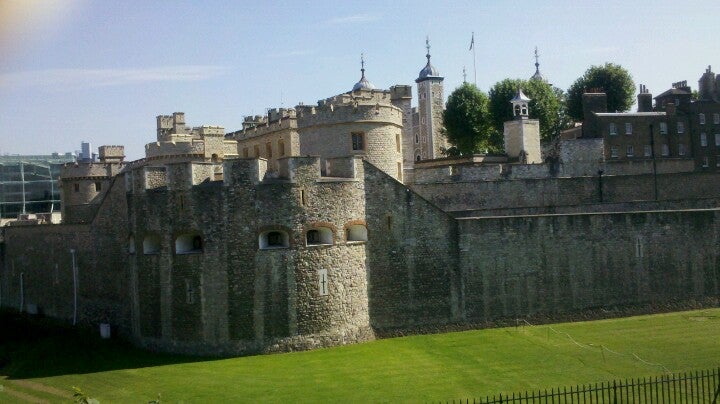
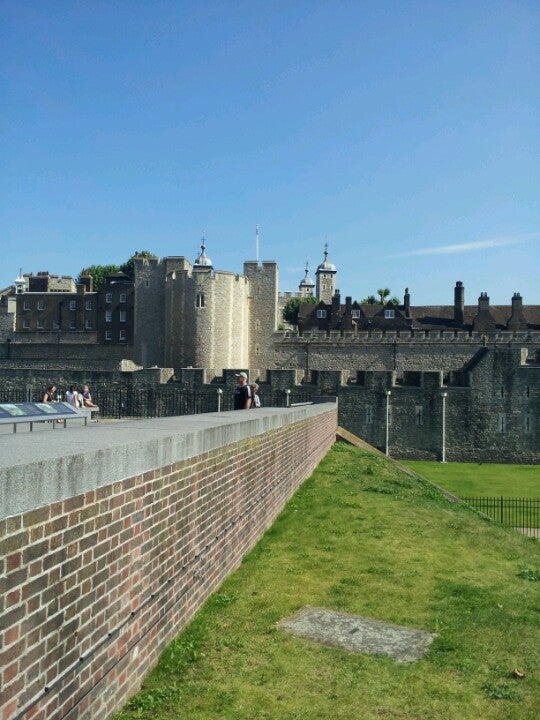 Do you remember who likely died there?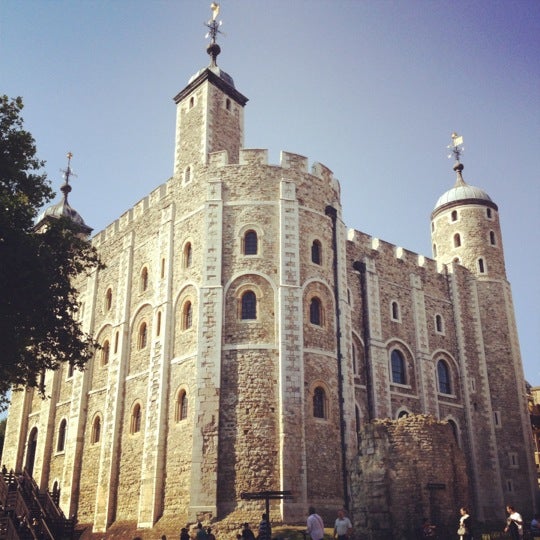
See if you can re-tell the story of the Wars of the Roses to your parents or a friend.
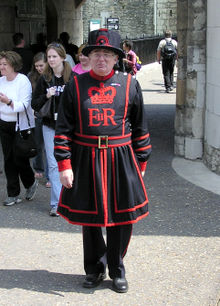
The activity for this week is for you to fold a piece of notebook paper in half vertically and research the two Beefeater uniforms pictured below. Write a brief paragraph on alternate sides of the page telling about when each uniform style is used. You may want to print a picture of each style to paste onto the paper at the top of each side of the page. You will file this in a section of your ring-binder that is labeled Europe:England.
HERE is a link where you may research the information for your work.

Well, that is all for now; see on Friday!
(PS ~ I forgot to mention that doing these assignments DOES get counted as a portion of your overall grade in this class. Your participation in the assignments at home prepares you to contribute to the discussion and work we do inside the classroom. It is important also for your learning. Please do not disappoint me or the class by being negligent of your work; I also do NOT want to ever have to call your parents about your negligence.)
Subscribe to:
Posts (Atom)