Tuesday, December 31, 2013

Tuesday, December 10, 2013
The Great War Ends
Answer the following questions from the current lesson covered in class today. Also, read the additional info. below. The topics to study for the test on Friday is also listed lastly.
1) What reason did Woodrow Wilson give for the United States joining the war against Germany?
2) How did the American troops change the balance of the war?
3) What happened on November 11, 1918?
4) What is an armistice?
5) How many soldiers and civilians had died?
6) What good thing came out of the war in England and America?
7) What is "suffrage"?
8) What had to be changed in the United States so that women could vote?
9) What British law allowed women over thirty years of age to vote?
19th Amendment
The 19th Amendment (1920) to the Constitution of the United States provides men and women with equal voting rights. The amendment states that the right of citizens to vote "shall not be denied or abridged by the United States or by any State on account of sex." Although this equality was implied in the 14th Amendment (1868), most of the states continued to restrict or prohibit women's suffrage.
Did You Know?
1) What reason did Woodrow Wilson give for the United States joining the war against Germany?
2) How did the American troops change the balance of the war?
3) What happened on November 11, 1918?
4) What is an armistice?
5) How many soldiers and civilians had died?
6) What good thing came out of the war in England and America?
7) What is "suffrage"?
8) What had to be changed in the United States so that women could vote?
9) What British law allowed women over thirty years of age to vote?
19th Amendment
The 19th Amendment (1920) to the Constitution of the United States provides men and women with equal voting rights. The amendment states that the right of citizens to vote "shall not be denied or abridged by the United States or by any State on account of sex." Although this equality was implied in the 14th Amendment (1868), most of the states continued to restrict or prohibit women's suffrage.
The women's rights movements, which started as early as the 1830s and became intertwined with the struggle to abolish slavery, resulted in the proposal for the 19th Amendment, introduced in Congress in 1878. This proposed amendment remained a controversial issue for over 40 years, during which the women's rights movement became strongly militant, conducting campaigns and demonstrations for congressional passage of the amendment and then for ratification by the states. This political action, reinforced by the service of women in industry during World War I, resulted in the adoption of the amendment.
Did You Know?
Wyoming, the first state to grant voting rights to women, was also the first state to elect a female governor. Nellie Tayloe Ross (1876-1977) was elected governor of the Equality State (Wyoming's official nickname) in 1924. From 1933 to 1953, she served as the first female director of the U.S. Mint.
_________________________________________________________
Study for a test on chapters 20 and 21 which will be given in class this Friday.
1) Know the order of events leading into World War I and its development.
2) Know the collective names for the 2 sides which opposed each other.
3) What was the draft?
4) What was worrisome to the British as Germany marched through Belgium?
5) What outraged the world about the sinking of the Lusitania?
6) What provoked the US to enter the war?
If you study all the homework questions for both chapters, you should do well on the test. Remember some other key words too: doughboys, suffragettes, the Communist Party, and the Ten Tragic Days.
Who were Rasputin, Woodrow Wilson, Aledsandr Kerensky, Pancho Villa, Victoriano Huerta? Porfirio Diaz? Francisco Medero? What did they do?
Sunday, December 8, 2013
The Russian Revolution
Complete reading pages 225-227. Answer the questions below about The Russian Revolution. Also, be sure to check out the point of interest related to our lesson at the end of the questions!
1) What were the two reasons why so many Russians were angry with the Romanovs?
2) Why did the Romanovs invite Rasputin to court?
3) What happened when three noblemen decided to kill Rasputin?
4) What war did the Russian army join in 1914?
5) What was wrong with the six and a half million soldiers of the Russian army?
6) Why did Nichoolas II fire his cousin, the Grand Duke Nicolai?
7) Did Nicholas II do a better job as commander?
8) What was Nicholas II forced to do?
9) Why did the leader of the Provisional Governement, Aleksandr Kerensky, order the Romanovs taken to Siberia?
10) How did the army react when Kerensky ordered them to fight?
11) What group of leaders then seized control of the government?
12) Who was their leader?
13) Lenin wanted the land in Russia to be used by whom?
14) Why was the Bolshevik party renamed the "Communist Party"?
15) Why did the Communist Party change the names of St. Petersburg and other cities?
16) How did Lenin get Russia out of the war?
17) How did Lenin deal with the problem of the Romanovs?
18) How did Lenin deal with the problem of poverty?
19) What was this new way of living called?
Alexander III in 1885 commissioned the creation of a decorative Faberge Egg for him to be able to give it to his wife as an Easter gift. (Faberge was the last name of the man who created it, and his company was named after him.) Alexander's wife was so pleased, he continued the tradition every year. After Alexander died, Nicholas II continued the tradition for his wife and for his mother, which I think is really nice! So, the Faberge company made a total of 50 of these special eggs between 1885 and 1917. Each egg always contained some sort of hidden surprise in it. Some of those very eggs are in museums around the world, but some were lost through the years. View one of these eggs here, and notice that the little gold statue on the inside is an image of Alexander III, although this egg was from Nicholas II to his mother in the year 1910. It is now inside the Kremlin.

Here is another one that is amazing! Read what all it is made of and what it contains - wow!, right?

The "Moscow Kremlin Egg" of 1904. An enameled gold composition centered on the egg-shaped (removable) dome of the Cathedral of the Assumption in the Moscow Kremlin, in white opalescent enamel, the interior of the church with its carpets, tiny enameled icons and High Altar made visible through four triple windows, surmounted by a gold cupola; flanked by two square and two circular stylized turrets, the former based on the Spassky Tower, bearing the coat-of-arms of the Russian Empire and Moscow and inset with chiming clocks. Standing on a crenelated gold base and octagonal onyx plinth - signed Fabergé, dated 1904, height 14 1/4 inches (36.1 cm). A clockwork music box (with original key) plays Izhe Khveruviny (Cherubim hymn), a favorite hymn of Tsar Nicholas.
Provenance: Presented by Tsar Nicholas II to his wife Tsarina Alexandra Feodorovna, Easter 1906
Kremlin Armory Museum
1) What were the two reasons why so many Russians were angry with the Romanovs?
2) Why did the Romanovs invite Rasputin to court?
3) What happened when three noblemen decided to kill Rasputin?
4) What war did the Russian army join in 1914?
5) What was wrong with the six and a half million soldiers of the Russian army?
6) Why did Nichoolas II fire his cousin, the Grand Duke Nicolai?
7) Did Nicholas II do a better job as commander?
8) What was Nicholas II forced to do?
9) Why did the leader of the Provisional Governement, Aleksandr Kerensky, order the Romanovs taken to Siberia?
10) How did the army react when Kerensky ordered them to fight?
11) What group of leaders then seized control of the government?
12) Who was their leader?
13) Lenin wanted the land in Russia to be used by whom?
14) Why was the Bolshevik party renamed the "Communist Party"?
15) Why did the Communist Party change the names of St. Petersburg and other cities?
16) How did Lenin get Russia out of the war?
17) How did Lenin deal with the problem of the Romanovs?
18) How did Lenin deal with the problem of poverty?
19) What was this new way of living called?
Alexander III in 1885 commissioned the creation of a decorative Faberge Egg for him to be able to give it to his wife as an Easter gift. (Faberge was the last name of the man who created it, and his company was named after him.) Alexander's wife was so pleased, he continued the tradition every year. After Alexander died, Nicholas II continued the tradition for his wife and for his mother, which I think is really nice! So, the Faberge company made a total of 50 of these special eggs between 1885 and 1917. Each egg always contained some sort of hidden surprise in it. Some of those very eggs are in museums around the world, but some were lost through the years. View one of these eggs here, and notice that the little gold statue on the inside is an image of Alexander III, although this egg was from Nicholas II to his mother in the year 1910. It is now inside the Kremlin.
Here is another one that is amazing! Read what all it is made of and what it contains - wow!, right?
Provenance: Presented by Tsar Nicholas II to his wife Tsarina Alexandra Feodorovna, Easter 1906
Tuesday, December 3, 2013
World War I
Read pages 216-221 in your text. Answer the following questions for this lesson:
1) What did the Serbian Gavrilo Princip do to show his hatred of Austria?
2) How did Austria respond?
3) What side did Russia join?
4) What side did Germany join?
5)Why did Germany then decide to march against France?
6) What side was Belgium on?
7) Why did Great Britain join the fight?
8) What was the name for the Austro-Hungarian Empire, Bulgaria, Germany, and the Ottoman Turks?
9) What was the name for Great Britain, France, Russia, and their allies?
10) What did German ships do?
11) Why did sinking the Lusitania make so many people angry?
12) Why was the United States particularly angry?
13) What law did Great Britain pass in 1916?
14) What did the women do when so many men went off to war?
15) What happened to the British men who went to the front and fought?
16) What reward did Germany promise to Mexico, if the Mexicans would fight on the side of the Germans?
17) What happened to the telegram with this information in it?
18) How did the United States react?
19) In what year did the United States join World War I?
Using Student Page 83 and a clean sheet of paper, try your hand at decoding the cryptogram.
1) What did the Serbian Gavrilo Princip do to show his hatred of Austria?
2) How did Austria respond?
3) What side did Russia join?
4) What side did Germany join?
5)Why did Germany then decide to march against France?
6) What side was Belgium on?
7) Why did Great Britain join the fight?
8) What was the name for the Austro-Hungarian Empire, Bulgaria, Germany, and the Ottoman Turks?
9) What was the name for Great Britain, France, Russia, and their allies?
10) What did German ships do?
11) Why did sinking the Lusitania make so many people angry?
12) Why was the United States particularly angry?
13) What law did Great Britain pass in 1916?
14) What did the women do when so many men went off to war?
15) What happened to the British men who went to the front and fought?
16) What reward did Germany promise to Mexico, if the Mexicans would fight on the side of the Germans?
17) What happened to the telegram with this information in it?
18) How did the United States react?
19) In what year did the United States join World War I?
Using Student Page 83 and a clean sheet of paper, try your hand at decoding the cryptogram.
Friday, November 29, 2013
Wednesday, November 20, 2013
The Mexican Revolution
Read pages 211 through 216 about the Mexican Revolution. Answer the following questions:
1) What was the "Porfiriato"?
2) How long had Porfirio Diaz been president?
3) Give two reasons why many Mexicans were discontented with Diaz's government.
4) Why did poor Mexicans resent the rich Mexicans who owned large farms?
5) What kind of government did Francisco Madero want Mexico to have?
6) How did Porfirio Diaz react when he saw how popular Francisco Medero had become?
7) Where did Madero go when he escaped?
8) What happened to Porfirio Diaz after the Mexican Revolution began?
9) What problem did Francisco Madero face when he became president?
10) When rebellion broke out against Madero, what was he forced to do?
11) What did Madero's enemies do in February, 1913?
12) What do we call the ten days when Madero and his enemies fought in Mexico City?
13) When Victoriano Huerta took over, what happened to President Madero?
14) How lond did Victoriano Huerta rule/
15) Did the Mexican Revolution bring peace?
1) What was the "Porfiriato"?
2) How long had Porfirio Diaz been president?
3) Give two reasons why many Mexicans were discontented with Diaz's government.
4) Why did poor Mexicans resent the rich Mexicans who owned large farms?
5) What kind of government did Francisco Madero want Mexico to have?
6) How did Porfirio Diaz react when he saw how popular Francisco Medero had become?
7) Where did Madero go when he escaped?
8) What happened to Porfirio Diaz after the Mexican Revolution began?
9) What problem did Francisco Madero face when he became president?
10) When rebellion broke out against Madero, what was he forced to do?
11) What did Madero's enemies do in February, 1913?
12) What do we call the ten days when Madero and his enemies fought in Mexico City?
13) When Victoriano Huerta took over, what happened to President Madero?
14) How lond did Victoriano Huerta rule/
15) Did the Mexican Revolution bring peace?
Saturday, November 16, 2013
Reviewing US History
Create a timeline of the important events and people found in chapters 5, 8 (part 1), 15 (part2) and 16 that relate to the history of the United States. Review the pages of the text on parts less familiar to you. These sections and chapters will be the basis for a classroom game on Tuesday, so get ready!
Wednesday, November 13, 2013
China, Vietnam - and France
Answer the following questions for both sections of chapter 19. Finish reading the chapter, pages 208-209.
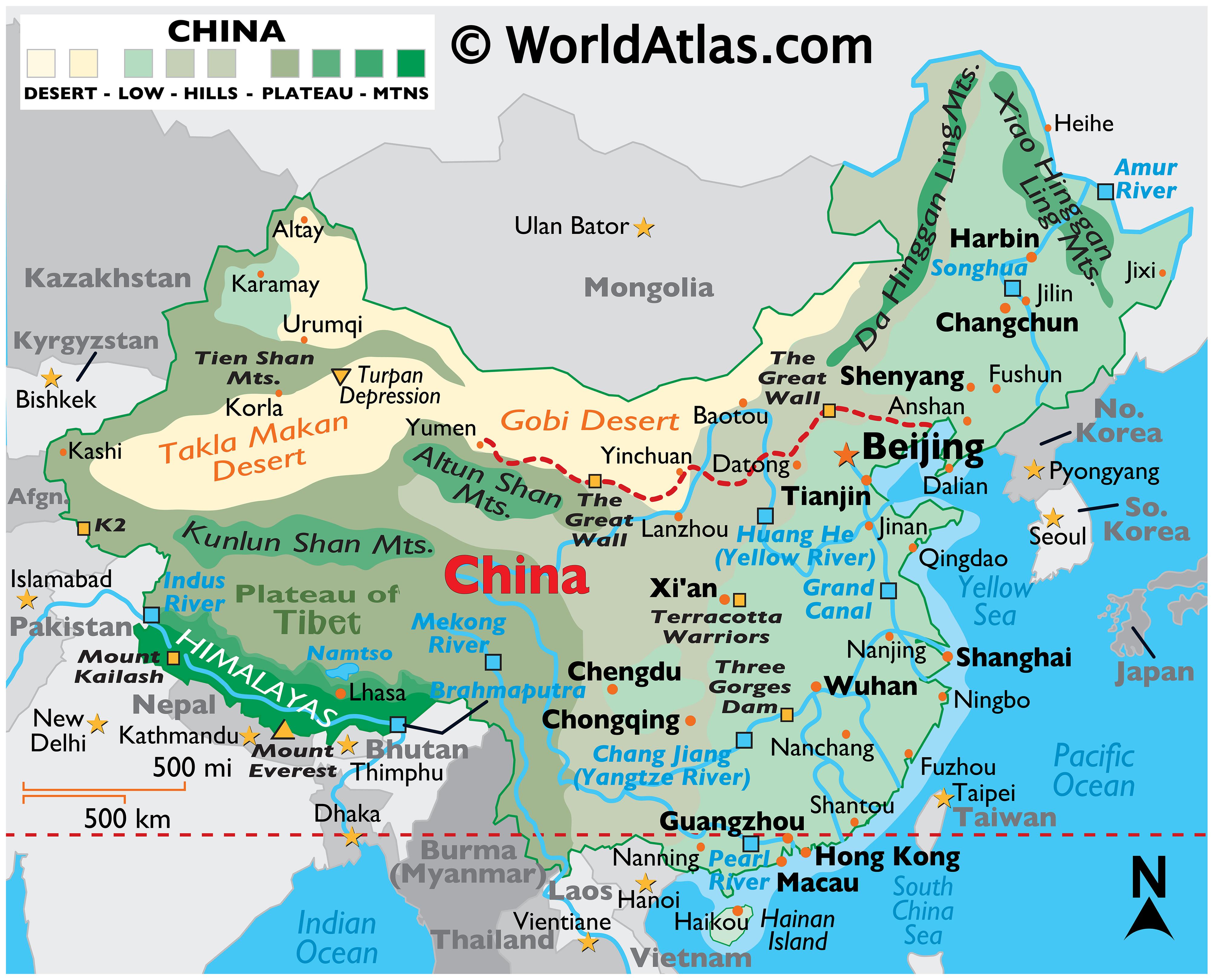
For the chapter test, be able to explain the Three Principles of the Chinese republic. Also, you should know the order of events of Phan Boi Chau's life and efforts. Knowing the answers to the following questions will also make you ready to do well on the test.
1) List three of the five reasons why China was unhappy.
2) Who ruled the country for Puyi?
3) What three countries did these noblemen have to obey?
4) Why did the Sichuan officials refuse to hand their railroad over to the Qing government?
5) What kind of government did the Sichuan officials hope to set up instead?
6) What was the profession of Sun Yixian, the new president of the republic?
7) What is another name for Sun Yixian's party, the Kuomintang?
8) What were the Three Principles of the Party?
9) What happened to Puyi when the Nationalist Party took over?
_______________________________________
1) Why was the peninsula south of China called "Indochina"?
2) What are the modern names for the three countries on the east side of Indochina?
3) What were Tonkin, Annam, and Cochin China?
4) How did the French make money in Vietnam?
5) Why did Phan Boi Chau refuse to take a job in the Vietnamese government?
6) What was the Restoration Society?
7) After Phan Boi Chau fled to Japan, how did he fight the French?
8) How did Japan react?
9) Where did Phan Boi Chau go?
10) Why did Phan Boi Chau begin to grow discouraged and sugges the Vietnamese could get along with the French?
11) What happened to Phan Boi Chau in Shanghai?
12) How did Phan Boi Chau help the cause of Vietnamese independence?
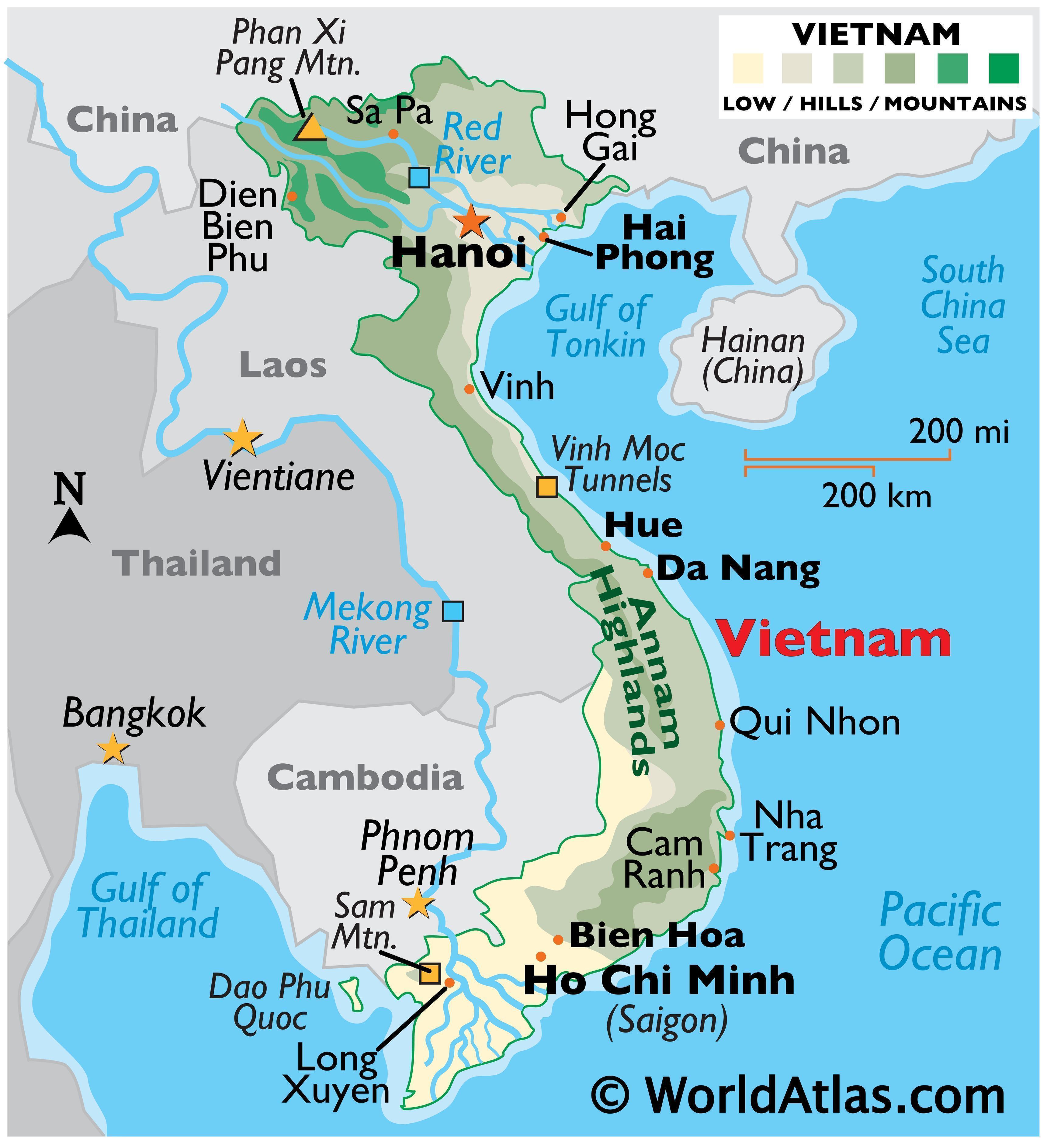
For the chapter test, be able to explain the Three Principles of the Chinese republic. Also, you should know the order of events of Phan Boi Chau's life and efforts. Knowing the answers to the following questions will also make you ready to do well on the test.
1) List three of the five reasons why China was unhappy.
2) Who ruled the country for Puyi?
3) What three countries did these noblemen have to obey?
4) Why did the Sichuan officials refuse to hand their railroad over to the Qing government?
5) What kind of government did the Sichuan officials hope to set up instead?
6) What was the profession of Sun Yixian, the new president of the republic?
7) What is another name for Sun Yixian's party, the Kuomintang?
8) What were the Three Principles of the Party?
9) What happened to Puyi when the Nationalist Party took over?
_______________________________________
1) Why was the peninsula south of China called "Indochina"?
2) What are the modern names for the three countries on the east side of Indochina?
3) What were Tonkin, Annam, and Cochin China?
4) How did the French make money in Vietnam?
5) Why did Phan Boi Chau refuse to take a job in the Vietnamese government?
6) What was the Restoration Society?
7) After Phan Boi Chau fled to Japan, how did he fight the French?
8) How did Japan react?
9) Where did Phan Boi Chau go?
10) Why did Phan Boi Chau begin to grow discouraged and sugges the Vietnamese could get along with the French?
11) What happened to Phan Boi Chau in Shanghai?
12) How did Phan Boi Chau help the cause of Vietnamese independence?
Monday, November 11, 2013
The Balkan Mess
Read pages 196 through 201. The outline (student page 70) is a list of the countries on or near the Balkan Peninsula with their ruling powers both before and after the war of 1878.
Complete the map, Student Page 72. The directions for it are found on the handout page 78. Take your time to read the instructions for completing this more detailed map. Think about the significance of what had occurred to each of the countries that you label.
Complete the map, Student Page 72. The directions for it are found on the handout page 78. Take your time to read the instructions for completing this more detailed map. Think about the significance of what had occurred to each of the countries that you label.
Tuesday, November 5, 2013
China's Troubles
Wednesday: Read "The Boxer Rebellion." Answer the following questions for this lesson:
1) What four countries were trying to take control of parts of China?
2) Why did the Boxer society form?
3) What two unusual things did the Boxers believe?
4) Why did the Boxers attack Chinese Christians?
5) Did the emperor support the Boxer attacks?
6) What did the emperor do that made his people nervous?
7) Who took over the government?
8) Why did foreigners flee to Beijing?
9) Soldiers came from what three countries to fight the Boxers/
10) What happened when the Boxers went out to meet the soldiers/
11) List three things that Chinese officials promised to do, after the Boxer Rebellion.
12) List two things that Cixi agreed to do.
Complete Student Page 68 using the instructions on handout page 73 under "Map Work."
________________________________________________________________
Thursday: Read "The Czar and the Admiral." Answer the following questions:
1) What two countries became enemies after the Boxer Rebellion?
2) What did Russia rent from China?
3) What country did Russia then decide to seize?
4) Why wasn't the Russian government worried about Japan?
5) What did the Japanese do on February 4, 1904?
6) Why did they decide to attack first?
7) What were the Russian forces at Port Arthur forced to do?
8) What was the final defeat for Russia?
9)Who helped to arrange a peace treaty between Japan and Russia?
10) List two things that Russia had to give Japan.
Complete Student Page 69 using the instructions on handout page 74 under "Map Work."
1) What four countries were trying to take control of parts of China?
2) Why did the Boxer society form?
3) What two unusual things did the Boxers believe?
4) Why did the Boxers attack Chinese Christians?
5) Did the emperor support the Boxer attacks?
6) What did the emperor do that made his people nervous?
7) Who took over the government?
8) Why did foreigners flee to Beijing?
9) Soldiers came from what three countries to fight the Boxers/
10) What happened when the Boxers went out to meet the soldiers/
11) List three things that Chinese officials promised to do, after the Boxer Rebellion.
12) List two things that Cixi agreed to do.
Complete Student Page 68 using the instructions on handout page 73 under "Map Work."
________________________________________________________________
Thursday: Read "The Czar and the Admiral." Answer the following questions:
1) What two countries became enemies after the Boxer Rebellion?
2) What did Russia rent from China?
3) What country did Russia then decide to seize?
4) Why wasn't the Russian government worried about Japan?
5) What did the Japanese do on February 4, 1904?
6) Why did they decide to attack first?
7) What were the Russian forces at Port Arthur forced to do?
8) What was the final defeat for Russia?
9)Who helped to arrange a peace treaty between Japan and Russia?
10) List two things that Russia had to give Japan.
Complete Student Page 69 using the instructions on handout page 74 under "Map Work."
Saturday, November 2, 2013
Moving West!
Read pages 169-173, "Moving West." Answer the following questions:
1) What was the name of the wagon route west?
2) What happened when sixty thousand people settled in a particular territory?
3) After Texas, what were the first and last western territories to become states?
4)What is a reservation?
5) What battle did Crazy Horse fight with the American commander George Custer?
6) What is the Apache chief Geronimo remembered for?
7) What animal began to disappear with the building of railroads?
1) What was the name of the wagon route west?
2) What happened when sixty thousand people settled in a particular territory?
3) After Texas, what were the first and last western territories to become states?
4)What is a reservation?
5) What battle did Crazy Horse fight with the American commander George Custer?
6) What is the Apache chief Geronimo remembered for?
7) What animal began to disappear with the building of railroads?
Tuesday, October 29, 2013
The Spanish-American War
Complete the last half of chapter 15 on the Spanish-American War. Also, complete the outline of Student Page 60.
With a parent's help, choose a newspaper article to bring to class for a project we will work on during class time this Friday. It can be about any event, as long as you are able to grasp an understanding of it. We will discuss media bias (taking sides) within presentations of news stories. We will be completing a writing projecct based on the article; you will enjoy it more if you understand the article or find it interesting.
Answer the following review questions about The Sino-Japanese War.
1) Why was Korea known as the Hermit Country?
2) What did Min want Korea to do?
3) Who began the Tonghak Rebellion?
4) Who won the Sino-Japanese War?
5) What was the "Scramble for China"?
6) Who assassinated Queen Min and why?
7) Fifteen years later, what happened?
With a parent's help, choose a newspaper article to bring to class for a project we will work on during class time this Friday. It can be about any event, as long as you are able to grasp an understanding of it. We will discuss media bias (taking sides) within presentations of news stories. We will be completing a writing projecct based on the article; you will enjoy it more if you understand the article or find it interesting.
Answer the following review questions about The Sino-Japanese War.
1) Why was Korea known as the Hermit Country?
2) What did Min want Korea to do?
3) Who began the Tonghak Rebellion?
4) Who won the Sino-Japanese War?
5) What was the "Scramble for China"?
6) Who assassinated Queen Min and why?
7) Fifteen years later, what happened?
Saturday, October 26, 2013
Paper
Choose a favorite lesson from history so far this year and write a three-paragraph paper about it. Explain why it is that you like the particular event or person.
Wednesday, October 23, 2013
Ethiopia and Italy
Complete the last half of chapter 14. As you read, complete the outline on student page 56. Then, follow the instructions on handout page 60 to complete the map of student page 58.
Friday, October 18, 2013
Abdulhamid the Red
His name sounds threatening at least! Read about Abdulhamid the Red in the second half of chapter thirteen. Complete the outline for this section on student page 51.
Tuesday, October 15, 2013
Ireland's Troubles
Answer the following:
1) When Henry VIII became a Protestant, what happened to most of Ireland?
2) List three ways in which Catholics were treated badly.
3) What did the British government do in 1801?
4) Tell what year the potato disaster began to spread across Ireland?
5)What two Englishmen attempted to help Ireland and explain how.
View these real life photographs from Ireland in the 19th century.

_________1800s Thatched Roof Cottage in Ireland_______________________
Use the map instructions on handout page 50 to complete the map on student page 50.
1) When Henry VIII became a Protestant, what happened to most of Ireland?
2) List three ways in which Catholics were treated badly.
3) What did the British government do in 1801?
4) Tell what year the potato disaster began to spread across Ireland?
5)What two Englishmen attempted to help Ireland and explain how.
View these real life photographs from Ireland in the 19th century.
_________1800s Thatched Roof Cottage in Ireland_______________________
Use the map instructions on handout page 50 to complete the map on student page 50.
Friday, October 11, 2013
Chapter 11 Activities
"Represent the Congo" - Imagine you are an African tribal leader from the Congo basin, and you have been invited to speak before the Parliament of Belgium. Write your speech to explain how the expansion of Europeans has affected your tribe. Explain what your life was like before the Europeans came and what it is like now. Have things changed for the better or the worse? (Try to be thorough in your thoughts befoe writing so as to think of many possibities.) Explain what you would like Parliament to do. Seek to be persuasive. You will want to represent your tribe well.
WANTED: Ned Kelly - Make a poster which offers a reward for Ned Kelly. Include a picture, details for the public about his crimes for which he is being accused, and list a reward for his capture.
WANTED: Ned Kelly - Make a poster which offers a reward for Ned Kelly. Include a picture, details for the public about his crimes for which he is being accused, and list a reward for his capture.
Tuesday, October 8, 2013
The War of the Pacific and The Suez Canal
Complete reading chapter 10 about the Suez Canal. Complete the outline for this section on Student Page 41.
Then, using the instructions for "maps" on page handout page 42, complete the maps on Student Pages 42 and 43.
Then, using the instructions for "maps" on page handout page 42, complete the maps on Student Pages 42 and 43.
Friday, October 4, 2013
The Dutch and the British & the Russians and the Turks
Complete Student Pages 38, 39, and 40 according to the instructions. The map work instructions are listed on the back of the copy of student page 38.
Tuesday, October 1, 2013
Modernization: US and Japan
Read pages 83 through 90 in your text. As you read, complete the following map details on student pages 35 and 36:
(page 35) - Label the town in Utah where the two railroads met.
- Label the town at the end of the rail line on the Union Pacific end.
- Draw the path of the Central Pacific Railroad and the Union Pacific Railroad on your map.
(page 36) - Label Japan.
- Label the Pacific Ocean.
- Label Tokyo.
- Label the Sea of Japan.
Answer the following questions:
1) How long did a railroad journey across the whole US take?
2) Before railroads, how did people set their clocks?
3) Explain what Sir Sandford Fleming did and why in a solid paragraph.
4) What part of the lightbulb did Thomas Edison have trouble with?
5) After the bulb, what did Edison and his helpers need to develop?
_______________________________________________
1) When Tokugawa became shogun, what two things did he try to do?
2) When Tokugawa resigned, who took the throne of Japan?
3) What two groups of Japanese fought a civil war and who won?
4) List the three things the noblemen, who really ran the country at this point, did to help Japan become more "western."
5) What did giving up their swords mean to the samurai?
6) When did Japan get its new constitution and after what other country's was is modeled?
7) What three parts did the Japanese government have?
_______________________________________________
(page 35) - Label the town in Utah where the two railroads met.
- Label the town at the end of the rail line on the Union Pacific end.
- Draw the path of the Central Pacific Railroad and the Union Pacific Railroad on your map.
(page 36) - Label Japan.
- Label the Pacific Ocean.
- Label Tokyo.
- Label the Sea of Japan.
Answer the following questions:
1) How long did a railroad journey across the whole US take?
2) Before railroads, how did people set their clocks?
3) Explain what Sir Sandford Fleming did and why in a solid paragraph.
4) What part of the lightbulb did Thomas Edison have trouble with?
5) After the bulb, what did Edison and his helpers need to develop?
_______________________________________________
1) When Tokugawa became shogun, what two things did he try to do?
2) When Tokugawa resigned, who took the throne of Japan?
3) What two groups of Japanese fought a civil war and who won?
4) List the three things the noblemen, who really ran the country at this point, did to help Japan become more "western."
5) What did giving up their swords mean to the samurai?
6) When did Japan get its new constitution and after what other country's was is modeled?
7) What three parts did the Japanese government have?
_______________________________________________
Friday, September 27, 2013
French Struggles for a Republic
Complete the first section of chapter 7 on pages 74-75. Complete the first outline which accompanies this section on Student page 29. Also complete the map on Student page 30.
Tuesday, September 24, 2013
1865-1867
Complete reading pages 62-68.
Answer the following questions in sentences from all of chapter six.
1) Who were creoles?
2) What other two groups of people had lived in the South American countries?
3) Which groups fought with who during this time?
4) Why did Brazil helping Flores make Lopez angry?
5) Why did Lopez then invade Argentina/
6) What countries belonged to the Triple Alliance which fought against Lopez?
7) Why was the fall of the city of Asuncion significant in 1869?
8) After Lopez was killed, what happened to the land of Paraguay?
9) What two different ways do the people of Paraguay remember Lopez?
________________________________________________
1) Which country won the fight to control the northern colonies of Canada?
2) What were the two parts of Canada called and what language was spoken in each?
3) What were the different reasons or situations that led to the fleeing of both Mackenzie and Papineau into the United States?
4) What did Britain's Earl of Durham learn from meeting with the Canadians?
5) What was one motivation for Canada to want to join together in a Federation?
6) What date marks the official beginning of the Dominion of Canada?
7) By what year did the Dominion of Canada stretch from east coast to west coast?
________________________________________________
MAPS: Using student pages 26 and 27, label the following:
Paraguay, Argentina, Brazil, Uruguay. Shade the three countries of the Triple Alliance.
Label the Canadian city toward which Mackenzie marched his rebels.
Label the four provinces which formed the new Dominion of Canada.
Label the three provinces which later joined the Dominion of Canada.
Answer the following questions in sentences from all of chapter six.
1) Who were creoles?
2) What other two groups of people had lived in the South American countries?
3) Which groups fought with who during this time?
4) Why did Brazil helping Flores make Lopez angry?
5) Why did Lopez then invade Argentina/
6) What countries belonged to the Triple Alliance which fought against Lopez?
7) Why was the fall of the city of Asuncion significant in 1869?
8) After Lopez was killed, what happened to the land of Paraguay?
9) What two different ways do the people of Paraguay remember Lopez?
________________________________________________
1) Which country won the fight to control the northern colonies of Canada?
2) What were the two parts of Canada called and what language was spoken in each?
3) What were the different reasons or situations that led to the fleeing of both Mackenzie and Papineau into the United States?
4) What did Britain's Earl of Durham learn from meeting with the Canadians?
5) What was one motivation for Canada to want to join together in a Federation?
6) What date marks the official beginning of the Dominion of Canada?
7) By what year did the Dominion of Canada stretch from east coast to west coast?
________________________________________________
MAPS: Using student pages 26 and 27, label the following:
Paraguay, Argentina, Brazil, Uruguay. Shade the three countries of the Triple Alliance.
Label the Canadian city toward which Mackenzie marched his rebels.
Label the four provinces which formed the new Dominion of Canada.
Label the three provinces which later joined the Dominion of Canada.
Friday, September 20, 2013
"After the Civil War"
Read pages 53 - 56. Complete the outline for this section on the bottom of Student Page 21 as you read or after you read it.
Using Student Page 22, shade in 3 colors the 3 different groups of states: the Southern States, the Neutral States, and those that remained with the Union. (Wow! This also helps you with your U.S. map study doesn't it?!)
Using Student Page 22, shade in 3 colors the 3 different groups of states: the Southern States, the Neutral States, and those that remained with the Union. (Wow! This also helps you with your U.S. map study doesn't it?!)
Wednesday, September 18, 2013
Review Chapters 1-4
Complete Student Pages 17-18 and 20, which you received at the end of class on Tuesday.
Review the first four chapters covered so far using your outlines and maps.
Review the first four chapters covered so far using your outlines and maps.
Wednesday, May 22, 2013
The Wars of the Roses
Review where we began the year - lesson 1. We will re-act out this lesson on Friday and trace the lineage of England's kings and queens from this point forward.
Think about which history lesson was one of the most meaningful to you personally. Why? Be prepared to discuss your thoughts this Friday.
Think about which history lesson was one of the most meaningful to you personally. Why? Be prepared to discuss your thoughts this Friday.
Friday, May 17, 2013
Study for and take the Semester II Test
Review lessons 43-84 for the Semester Test. When you are ready, take the test!
Wednesday, May 15, 2013
Peter I: Czar of Russia
Read lesson 83 and write a summary card for it.
Plan a presentation about the International Date Line. Include the following information:
Plan a presentation about the International Date Line. Include the following information:
- The purpose of the dateline
- An explanation of how the dateline works
- A short report on the country of Kiribati (which moved the dateline in 1995).
Monday, May 13, 2013
The Amish
After you write a summary card for lesson 81, read the next lesson "Jakob Amman: Founder of the Amish" and write a summary card for it as well.
Continue studying the list of memorized dates and also review the excerpt from the Declaration of Independence.
Continue studying the list of memorized dates and also review the excerpt from the Declaration of Independence.
Wednesday, May 8, 2013
Review and Memory Work
Review Lessons 76-78 for a quiz this Friday.
Be ready to recite the list of memory dates and their events.
Copy the following words from the Declaration of Independence and memorize them. Reciting these words will be a homework grade, so you should take the assignment seriously.
We hold these truths to be self-evident,
that all men are created equal,
that they are endowed by their Creator with certain inalienable Rights,
that among these are Life, Liberty and the pursuit of Happiness,
That to secure these rights, Governments are instituted among Men.
No further reading is assigned this week.
Be ready to recite the list of memory dates and their events.
Copy the following words from the Declaration of Independence and memorize them. Reciting these words will be a homework grade, so you should take the assignment seriously.
We hold these truths to be self-evident,
that all men are created equal,
that they are endowed by their Creator with certain inalienable Rights,
that among these are Life, Liberty and the pursuit of Happiness,
That to secure these rights, Governments are instituted among Men.
No further reading is assigned this week.
Saturday, May 4, 2013
The Gulf Stream and Lesson 79
What exactly is the Gulf Stream? Research and draw the natural currents of the sea that aided the triangular trade pattern. Bring your diagram to class; it will be filed under "Africa: West Africa."
![[Union flag of 1606]](http://www.crwflags.com/fotw/images/g/gb-1606.gif)
Read Lesson 79 and write a summary card about William and Mary and the Glorious Revolution.
View this link to see the modern flag of Great Britain as compared to this one on the blog.
Great Britain's Union Flag - 1606 through 1801
Wednesday, May 1, 2013
Activities
Complete your summary card for lesson 77. No new reading is assigned this week.
In preparation for Friday's class about The Atlantic Slave Trade, do the following activities and bring them to class.
A) What exactly are indigo plants? Research the species of plants referred to as indigo and what they are used for. What made them so popular for trading in the late 1600's?
B) Research the famous cross-section diagram of a slave ship named Brookes sketched by Thomas Clarkson. Print a copy of it if possible. Write a short paragraph about the following: What was Clarkson's intention in creating the diagram? Although stepping ahead in history, learn about Clarkson's interesting testimony and campaign and briefly explain.
Now, study for a history quiz which will be emailed to your parents by Noon today. The quiz will cover lessons 73-75.
For those of you who failed the last history test, in order to earn additional points for that grade, use the test and study all of the missed answers using your book. Write several sentences or a brief paragraph about each topic about which you were incorrect on the test. Number your writings to match the test questions.
In preparation for Friday's class about The Atlantic Slave Trade, do the following activities and bring them to class.
A) What exactly are indigo plants? Research the species of plants referred to as indigo and what they are used for. What made them so popular for trading in the late 1600's?
B) Research the famous cross-section diagram of a slave ship named Brookes sketched by Thomas Clarkson. Print a copy of it if possible. Write a short paragraph about the following: What was Clarkson's intention in creating the diagram? Although stepping ahead in history, learn about Clarkson's interesting testimony and campaign and briefly explain.
Now, study for a history quiz which will be emailed to your parents by Noon today. The quiz will cover lessons 73-75.
For those of you who failed the last history test, in order to earn additional points for that grade, use the test and study all of the missed answers using your book. Write several sentences or a brief paragraph about each topic about which you were incorrect on the test. Number your writings to match the test questions.
Saturday, April 27, 2013
Review and Activities
Be sure you completed your summary card for lesson 76.
1) Using a concordance, or even the one in the back of a Bible, research what the Bible says about heaven and hell. Fold a piece of paper in half vertically and label one column "heaven" and one column "hell." In each column write down Scripture locations you found that describe heaven and hell. Then write a paraphrase or descriptive words found in that verse that describe either heaven or hell.
2) Study your list of dates to be memorized; practice reciting them to a parent.
3) Review lessons 73 - 75.
4) In preparation for the next lesson, research some information about the Shawnee Indians. Learn about their (a) history (b) customs (c) present-day lives, and (d) their current locations. Write a brief 3 paragraph report about this information and bring to class this Tuesday.
1) Using a concordance, or even the one in the back of a Bible, research what the Bible says about heaven and hell. Fold a piece of paper in half vertically and label one column "heaven" and one column "hell." In each column write down Scripture locations you found that describe heaven and hell. Then write a paraphrase or descriptive words found in that verse that describe either heaven or hell.
2) Study your list of dates to be memorized; practice reciting them to a parent.
3) Review lessons 73 - 75.
4) In preparation for the next lesson, research some information about the Shawnee Indians. Learn about their (a) history (b) customs (c) present-day lives, and (d) their current locations. Write a brief 3 paragraph report about this information and bring to class this Tuesday.
Tuesday, April 23, 2013
Map and Lesson 75!
Using the outline map received in class, identify the following locations and features and study them to learn as many as possible.
China and its capital, Beijing. Manchuria. Mongolia and its capital, Ulan Bator.
Russia. Vietnam and its capital, Hanoi. Laos. Myanmar (Burma).
India and its capital, New Delhi. Pakistan and its capital, Islamabad. Afghanistan.
Kazakhstan. East China Sea. South China Sea. Huang River. Yangtze River.
Sea of Japan. Bay of Bengal. Himalayas. Altai Mountains. Plateau of Tibet.
Gobi Desert.
______________________________________________
Remember to write your summary card for lesson 74 if you did not complete it.
Read Lesson 75 and write a summary card for it too! After you read the lesson, try the following activity at home for which you will need 1 hard-boiled egg and 1 raw egg - each of them still in their shell:
1) Spin the hard-boiled egg on a hard surface. Stop the egg from spinning with your hand but do not hold onto the egg! Quickly remove your hand. Observe the egg for any movement.
2) Now do the same thing with the raw egg.
Do this exercise several times. What do you observe? Do you know why? (It has to do with Newton's first law of motion.)
China and its capital, Beijing. Manchuria. Mongolia and its capital, Ulan Bator.
Russia. Vietnam and its capital, Hanoi. Laos. Myanmar (Burma).
India and its capital, New Delhi. Pakistan and its capital, Islamabad. Afghanistan.
Kazakhstan. East China Sea. South China Sea. Huang River. Yangtze River.
Sea of Japan. Bay of Bengal. Himalayas. Altai Mountains. Plateau of Tibet.
Gobi Desert.
______________________________________________
Remember to write your summary card for lesson 74 if you did not complete it.
Read Lesson 75 and write a summary card for it too! After you read the lesson, try the following activity at home for which you will need 1 hard-boiled egg and 1 raw egg - each of them still in their shell:
1) Spin the hard-boiled egg on a hard surface. Stop the egg from spinning with your hand but do not hold onto the egg! Quickly remove your hand. Observe the egg for any movement.
2) Now do the same thing with the raw egg.
Do this exercise several times. What do you observe? Do you know why? (It has to do with Newton's first law of motion.)
Saturday, April 20, 2013
Remembering People of Resolve
Look up the word "resolve" in a dictionary and copy the clearest meaning on paper. Note the source you used to define it.
Write a summary for the last lesson, "The Scottish Covenanters."
Choose one of the projects listed and complete it, bringing it to class this Tuesday.
A) It was customary in Scotland to write poetry. Choose one of the martyrs from the lesson and write a short poem about him or her. Then, sketch the shape of a tombstone onto a piece of paper large enough to enclose your poem within it. Then, using fancy handwriting or calligraphy, write the poem within the tombstone on your paper. You may also choose to print it from a computer if you prefer.
B) Psalm 25, Psalm 103, and Revelation 19 were passages of the Bible used by the Covenanters while facing death and persecution. Write about what you find most meaningful from those passages. What Scripture has helped you through a difficult time. You may include that testimony as part of your writing as well.
C) Jenny Geddes was a girl with an interesting story in history. Research her story and her reaction to civil authorities. Tell about what you find in a written report. Discuss the right or wrong of her actions.
D) Daniel Defoe was an Englishman who lived during the same historical period as the last lesson. He wrote Robinson Crusoe. Research his life and write a biographical report about his life and times. Draw attention to the events that influenced his many works of literature.
Write a summary for the last lesson, "The Scottish Covenanters."
Choose one of the projects listed and complete it, bringing it to class this Tuesday.
A) It was customary in Scotland to write poetry. Choose one of the martyrs from the lesson and write a short poem about him or her. Then, sketch the shape of a tombstone onto a piece of paper large enough to enclose your poem within it. Then, using fancy handwriting or calligraphy, write the poem within the tombstone on your paper. You may also choose to print it from a computer if you prefer.
B) Psalm 25, Psalm 103, and Revelation 19 were passages of the Bible used by the Covenanters while facing death and persecution. Write about what you find most meaningful from those passages. What Scripture has helped you through a difficult time. You may include that testimony as part of your writing as well.
C) Jenny Geddes was a girl with an interesting story in history. Research her story and her reaction to civil authorities. Tell about what you find in a written report. Discuss the right or wrong of her actions.
D) Daniel Defoe was an Englishman who lived during the same historical period as the last lesson. He wrote Robinson Crusoe. Research his life and write a biographical report about his life and times. Draw attention to the events that influenced his many works of literature.
Wednesday, April 17, 2013
Map Work and Review
Access this website and spend at least 2 separate sessions of 10 minutes each practicing with the "Europe Map Quiz (Easy)" in the upper left hand corner, printed in green. It is a link you click. Then, play the map game to learn the modern countries of Europe on this map. Note that this is not a complete map in order to learn these countries prior to incorporating more detail.
Review lessons 67 -72 for a quiz on Friday. (The quiz will not be a preformed quiz but teacher created according to what was emphasized in class discussions during these lessons and recent reviews.)
Review lessons 67 -72 for a quiz on Friday. (The quiz will not be a preformed quiz but teacher created according to what was emphasized in class discussions during these lessons and recent reviews.)
Sunday, April 14, 2013
The Sun King
Read Lesson 72 on Louis XIV. Write a summary card.
If you have a masquerade mask, bring it to class; you may also make one if you wish!
If you have a masquerade mask, bring it to class; you may also make one if you wish!
Wednesday, April 10, 2013
Blaise Pascal
Read Lesson 71 and write a summary card for it. As none of you are "younger students" for the purposes of the text's organization, everyone should read the whole lesson.
Print and glue this image onto a piece of paper for filing under "Europe: France" in your notebook.
Print and glue this image onto a piece of paper for filing under "Europe: France" in your notebook.
 |
| Blaise Pascal by Augustin Pajou
Underneath your printed picture, write the following thoughts by Pascal:
"Knowing God without knowing our own wretchedness makes for pride.
Knowing our own wretchedness without knowing God makes for despair.
Knowing Jesus Christ strikes the balance because He shows us both God and our own wretchedness."
__________________________________________________________ View this link just to take a look at the scientific information represented by Pascal's name, referenced by the abbreviation Pa. Scroll down and just read the definition. __________________________________________________________ (Day 2) ~ Read the following excerpt from Pascal typed below. Then write in a well developed paragraph what you think he meant when he said that man is both the "glory and refuse of the universe." Search your Bible for five or more Scripture passages that support Pascal's conclusion. Focus on passages regarding the natural state of mankind versus the redeemed. "What sort of freak then is man! How novel, how monstrous, how chaotic, how paradoxical, how prodigious! Judge of all things, feeble earthworm, repository of truth, sink of doubt and error, glory and refuse of the universe!" Use a dictionary for any words you do not understand. Use the concordance in the back of your Bible or one online or in your family library to search for passages of Scripture related to man's depravity and redemption, man's glory being made in the likeness of God, and defiled existence because of sin. Use these to help you write your paragraph. This project requires a little time and thoughtfulness for it to be done well, and that is what I am expecting from each of you. You are able; do not make it seem more difficult than it is. |
Monday, April 8, 2013
George Fox and the Quakers
Read lesson 70 in your text and write a summary card for it.
Read from the Quaker Oatmeal website here "About Quaker History" to read about their claim to the Quaker name and symbol for their company.
If you were to choose a group today to represent a product, who would you choose and why? Create an advertisement or act out a commercial based on your choice. Be ready to share these with the class.
Wednesday, April 3, 2013
Chemistry for History this Week!
Read lesson 69, "Robert Boyle: The First Modern Chemist." Write a summary of the lesson.
On a piece of notebook paper, define the following terms from this lesson:
acid, alchemy, alkali, Boyle's Law, compound, element, gas, hydrostatics, liquid, matter, pH, refraction, solid, and volume
File these definitions under Europe: Ireland.
Write the following dates to memorize and study them daily until you are able to recall them instantly:
Christopher Columbus Sails to an "Other World" - 1492
Leonardo da Vinci Paints the Mona Lisa - 1503
Martin Luther Posts His "Ninety-five Theses" - 1517
Henry VIII and His Many Wives - 1529
Elizabeth I - 1558-1603
William the Silent Leads the Dutch Revolt - 1581
The Works of William Shakespeare - 1592
The Founding of Jamestown - 1607
The Pilgrims Land at New Plymouth - 1620
On a piece of notebook paper, define the following terms from this lesson:
acid, alchemy, alkali, Boyle's Law, compound, element, gas, hydrostatics, liquid, matter, pH, refraction, solid, and volume
File these definitions under Europe: Ireland.
Write the following dates to memorize and study them daily until you are able to recall them instantly:
Christopher Columbus Sails to an "Other World" - 1492
Leonardo da Vinci Paints the Mona Lisa - 1503
Martin Luther Posts His "Ninety-five Theses" - 1517
Henry VIII and His Many Wives - 1529
Elizabeth I - 1558-1603
William the Silent Leads the Dutch Revolt - 1581
The Works of William Shakespeare - 1592
The Founding of Jamestown - 1607
The Pilgrims Land at New Plymouth - 1620
Friday, March 29, 2013
The Father of Modern Education
Welcome to the 4th quarter of your academic year 2012-2013!
Read lesson 67 about John Comenius, the Father of Modern Education. Click on this link to view his portrait painted by Rembrandt. When do you think the paths of these two men crossed for the completion of this portrait? (Look back into Lesson 65 on Rembrandt as well to realize when this could have occurred.)
Write your history card for this lesson.
What are eight things that you believe make a solid education? Write down eight things. Ask a parent to also write down eight things which they believe make a solid education, but work on your lists separately without discussion. After you both have finished your lists, compare them and talk about them. (You do not need to bring these to me; this activity is for your benefit, but you will be asked if you completed the assignment.)
Read lesson 67 about John Comenius, the Father of Modern Education. Click on this link to view his portrait painted by Rembrandt. When do you think the paths of these two men crossed for the completion of this portrait? (Look back into Lesson 65 on Rembrandt as well to realize when this could have occurred.)
Write your history card for this lesson.
What are eight things that you believe make a solid education? Write down eight things. Ask a parent to also write down eight things which they believe make a solid education, but work on your lists separately without discussion. After you both have finished your lists, compare them and talk about them. (You do not need to bring these to me; this activity is for your benefit, but you will be asked if you completed the assignment.)
Thursday, March 21, 2013
The Founding of Connecticut
After completing your summary card for Lesson 65, read Lesson 66 and also write a card for it.
Saturday, March 16, 2013
The Age of Resolve
Read the introduction to the last quarter of the history book, beginning on page 315.
Read Lesson 64, Part I. All students should read all the examples listed within the reading without skipping any of this section. Pay attention to the map on page 319 and consider the history of God's chosen people.
Write a summary for part I; we will complete part II in class.
Read Lesson 64, Part I. All students should read all the examples listed within the reading without skipping any of this section. Pay attention to the map on page 319 and consider the history of God's chosen people.
Write a summary for part I; we will complete part II in class.
Tuesday, March 12, 2013
Reviewing and Writing
Write history cards for lessons 61-63.
Complete the review pages received during class. Look up any topics not familiar to you and review to learn about them more thoroughly.
The last assignment on the review pages lists options of essay topics. Begin planning and writing an essay which is due on Tuesday. Fifth and sixth grade students must have a minimum of 3 fully developed paragraphs, whereas seventh grade and above must have a minimum of 5 fully developed paragraphs. Essays should be double spaced, be grammatically correct, properly punctuated, and reflect the elements of proper writing such as topic sentences, transitional words, and consistency of theme throughout the paper.
If you need help, please ask!
No new reading is assigned for this week!
Complete the review pages received during class. Look up any topics not familiar to you and review to learn about them more thoroughly.
The last assignment on the review pages lists options of essay topics. Begin planning and writing an essay which is due on Tuesday. Fifth and sixth grade students must have a minimum of 3 fully developed paragraphs, whereas seventh grade and above must have a minimum of 5 fully developed paragraphs. Essays should be double spaced, be grammatically correct, properly punctuated, and reflect the elements of proper writing such as topic sentences, transitional words, and consistency of theme throughout the paper.
If you need help, please ask!
No new reading is assigned for this week!
Wednesday, March 6, 2013
Review and Quiz
Write your History Card for Lesson 60, "Squanto."
Review the following people:
Magellan, Leonardo da Vinci, Martin Luther, Ivan the Great, Christobal Colon, Machiavelli, and Lorenzo de' Medici, Catherine de'Medici Titian, Menno Simmons, John Calvin, Ignatius Loyola, William Tyndale, Catherine of Aragon, Suleiman, Mary, Queen of Scots, and Bartolome de Las Casas.
Know the significance of the following places:
the Philippines, Australia, New Zealand, Portugal, Spain, Bohemia, Norway, England, Stratford-upon-Avon, North America, Noevo Albion (of Sir Francis Drake), Virginia Colony, Roanoke Colony, and Nagasaki and Edo.
Take Quiz 20.
Review the following people:
Magellan, Leonardo da Vinci, Martin Luther, Ivan the Great, Christobal Colon, Machiavelli, and Lorenzo de' Medici, Catherine de'Medici Titian, Menno Simmons, John Calvin, Ignatius Loyola, William Tyndale, Catherine of Aragon, Suleiman, Mary, Queen of Scots, and Bartolome de Las Casas.
Know the significance of the following places:
the Philippines, Australia, New Zealand, Portugal, Spain, Bohemia, Norway, England, Stratford-upon-Avon, North America, Noevo Albion (of Sir Francis Drake), Virginia Colony, Roanoke Colony, and Nagasaki and Edo.
Take Quiz 20.
Sunday, March 3, 2013
Pilgrims Land at New Plymouth!
Read lesson 59 and write a summary card for the lesson.
Read the Mayflower Compact and peruse the available pages at that website. If your parents would like you to do so, you can copy the words on a piece of paper and then dip the paper in coffee or tea, allow it to dry, then straighten it and tear the edges of the paper to give it an aged appearance. You may file your copy in your notebook under North America: United States.
Read the Mayflower Compact and peruse the available pages at that website. If your parents would like you to do so, you can copy the words on a piece of paper and then dip the paper in coffee or tea, allow it to dry, then straighten it and tear the edges of the paper to give it an aged appearance. You may file your copy in your notebook under North America: United States.
Wednesday, February 27, 2013
Thirty Years' War
Write quality summaries of lessons 56 and 57 on a history card. Remember the basic questions to answer are who? what? where? when? why? and how?
Read lesson 58 carefully. Make a written list or chart of the dates of the main events of the Thirty Years' War. Paraphrase each main event beside its date.
Also write a history card to briefly summarize lesson 58.
Read lesson 58 carefully. Make a written list or chart of the dates of the main events of the Thirty Years' War. Paraphrase each main event beside its date.
Also write a history card to briefly summarize lesson 58.
Friday, February 22, 2013
Activity Choice
Choose one of the following activities and bring to class to share.
1) In a few paragraphs, write significant highlights of Henry Hudson's adventures. As you near the end of the tale, rather than explain what we know (or don't know), "finish" the story using your imagination to explain his fate. (Write this part in a different color ink.) Then, switch ink colors again and write still another possibility. And then once more, with another color, write one last possibility of what happened to Henry Hudson.
2) Visit the library or use the internet with a parent's help to read more about the lives, customs, and history of the Huron (or Wyandot) Indians. Because written reports sometimes interfere with the pure pleasure of reading and learning, do NOT WRITE a report. Instead, read and learn, but prepare to orally articulate the most interesting things you learned about these Indians. You may use note cards or visual aids to prompt your memory. Any notes you make should be short trigger words or phrases that are your own.
No further lesson is assigned, as I was thinking in class that today was Tuesday, so only work to give excellent effort and attention on one of the above choices.
1) In a few paragraphs, write significant highlights of Henry Hudson's adventures. As you near the end of the tale, rather than explain what we know (or don't know), "finish" the story using your imagination to explain his fate. (Write this part in a different color ink.) Then, switch ink colors again and write still another possibility. And then once more, with another color, write one last possibility of what happened to Henry Hudson.
2) Visit the library or use the internet with a parent's help to read more about the lives, customs, and history of the Huron (or Wyandot) Indians. Because written reports sometimes interfere with the pure pleasure of reading and learning, do NOT WRITE a report. Instead, read and learn, but prepare to orally articulate the most interesting things you learned about these Indians. You may use note cards or visual aids to prompt your memory. Any notes you make should be short trigger words or phrases that are your own.
No further lesson is assigned, as I was thinking in class that today was Tuesday, so only work to give excellent effort and attention on one of the above choices.
Tuesday, February 19, 2013
Review, Quiz, and Map
Besides the people or topics reviewed in class, here are some others to review that will be represented on the quiz: Hernan Cortes, Shah Jahan, Mary I (Tudor), Katharina von Bota, Ivan the Terrible, Ulrich Zwingli, and Sir Francis Drake. When you review people, note what particular deeds they accomplished or that have given them a place in history.
Also review the occurrences surrounding the following: the Treaty of Edinburgh, Kepler's Laws, Phillip II & the Duke of Alba, Tokugawa (Japan), Don Quixote, Australia, and Jamestown.
Complete the map of Australia by labeling the following:
States: Queensland, New South Wales, Victoria, Tasmania, South Australia, Western Australia
Territories: Northern Territory, Australian Capital Territory (within South Wales)
Capital City: Canberra
Mainland State Capitals: Sydney, Melbourne, Brisbane, Perth, Adelaide
Deserts: Great Sandy, Gibson, Great Victoria, Simpson
Plains: Nullarbor Plain
Mountains: Great Dividing Range
Bodies of Water: Timor Sea, Arafura Sea, Gulf of Carpentaria, Coral Sea, Tasman Sea, Great Australian Bight, Darling River, Murray River, Lake Eyre
Landmarks: Uluru (1,142 feet high), Great Barrier Reef

Also review the occurrences surrounding the following: the Treaty of Edinburgh, Kepler's Laws, Phillip II & the Duke of Alba, Tokugawa (Japan), Don Quixote, Australia, and Jamestown.
Complete the map of Australia by labeling the following:
States: Queensland, New South Wales, Victoria, Tasmania, South Australia, Western Australia
Territories: Northern Territory, Australian Capital Territory (within South Wales)
Capital City: Canberra
Mainland State Capitals: Sydney, Melbourne, Brisbane, Perth, Adelaide
Deserts: Great Sandy, Gibson, Great Victoria, Simpson
Plains: Nullarbor Plain
Mountains: Great Dividing Range
Bodies of Water: Timor Sea, Arafura Sea, Gulf of Carpentaria, Coral Sea, Tasman Sea, Great Australian Bight, Darling River, Murray River, Lake Eyre
Landmarks: Uluru (1,142 feet high), Great Barrier Reef
Wednesday, February 13, 2013
Australian Aborigines
1) Before reading the next lesson, locate and label, on your map received in class on Friday, the following features of Japan:
Islands: Hokkaido, Honshu, Shikoku, and Kyushu.
Cities: Tokyo, Sapporo, Nagoya, Kyoto, Osaka, and Nagasaki.
Mountains: Mt. Fuji (12, 388 ft.)
Bodies of Water: Pacific Ocean, Sea of Japan, Korea Strait, and Sea of Okhotsk.
Your map should be easy to read. You will file it under "Asia: Japan."
2) Read lesson 53 about the Australian Aborigines and write a summary card for this lesson.
3) Choose 3 of the following marsupials found in Australia about which to write a brief description of the uniqueness of each animal. Include a small picture if possible of each animal you chose beside its name and description.
a. bandicoots b. kangaroos c. koalas d. ningauis e. wallabies f. wombats
g. Tasmanian devils
| Wallaby |
Wednesday, February 6, 2013
Age of Reason
Write a summary card for lesson 50, and then read lesson 51 and write its summary card also.
Review the following names and terms in preparation for a review game in class on Friday:
Sundiata, Erasmus, Tierra del Fuego, Loyola, d'Albret, Cosimo, Copernicus, canton, Qizilbash, Cape of Strorms, Barbarossa, Titian, Martin Luther, armada, Babur, Francis Bacon, Leonardo, ninja, Walter Raleigh, and Elizabeth.
Review the following names and terms in preparation for a review game in class on Friday:
Sundiata, Erasmus, Tierra del Fuego, Loyola, d'Albret, Cosimo, Copernicus, canton, Qizilbash, Cape of Strorms, Barbarossa, Titian, Martin Luther, armada, Babur, Francis Bacon, Leonardo, ninja, Walter Raleigh, and Elizabeth.
Sunday, February 3, 2013
Quiz and Class Prep.
Write 2 questions from each week studied, making a 32 question quiz. Write your answers on a separate page that is your answer key. Try to write difficult questions that are meaningful to the knowledge of the lesson. In other words, do not write questions that would be considered trivia.
Bring to class 1 of the following:
a) a picture of a ninja and their weaponry
b) a list of the following Japanese words and what they mean: shuriken, bo, ninja-ken, katana, wakizashi, shikoro ken.
c) a report about the most famous writer of bunraku plays (of Japan), Chikamatsu Monzaemon. Be sure to cite the sources used for the information of your report at the bottom of the page. Be sure all the words of the report are your own words re-explaining what you learned.
Bring to class 1 of the following:
a) a picture of a ninja and their weaponry
b) a list of the following Japanese words and what they mean: shuriken, bo, ninja-ken, katana, wakizashi, shikoro ken.
c) a report about the most famous writer of bunraku plays (of Japan), Chikamatsu Monzaemon. Be sure to cite the sources used for the information of your report at the bottom of the page. Be sure all the words of the report are your own words re-explaining what you learned.
Wednesday, January 30, 2013
Montaigne ~ Essays
Complete your history card for lesson 48.
Write 2 essays on 1 topic. Essays must be a minimum of 3 paragraphs each if you are in 7th grade or under. Otherwise they must be a minimum of 5 paragraphs.
Some suggested subject ideas were your favorite food, season, author, sport, or animal. You may think of another topic, but both essays should reflect the same topic but be according to the intended style, which are explained again below. Remember that 1 of the style choices has already been assigned to you.
Narrative essays tell a story which may be fact or fiction from a personal viewpoint. Your history lessons are narrative style essays.
Expository essays convey information or clearly explain something about the topic. They do not highlight your opinion.
Persuasive essays attempt to persuade or convince a reader to accept a particular view or take a specific action.
Write 2 essays on 1 topic. Essays must be a minimum of 3 paragraphs each if you are in 7th grade or under. Otherwise they must be a minimum of 5 paragraphs.
Some suggested subject ideas were your favorite food, season, author, sport, or animal. You may think of another topic, but both essays should reflect the same topic but be according to the intended style, which are explained again below. Remember that 1 of the style choices has already been assigned to you.
Narrative essays tell a story which may be fact or fiction from a personal viewpoint. Your history lessons are narrative style essays.
Expository essays convey information or clearly explain something about the topic. They do not highlight your opinion.
Persuasive essays attempt to persuade or convince a reader to accept a particular view or take a specific action.
Monday, January 28, 2013
Phillip II and the Spanish Armada
Complete the history card for lesson 46. Then read lesson 47 along with its summary card.
Use another 3x5 card and write an imaginary postcard from Phillip II to a friend in Spain describing the defeat of the Spanish Armada. Glue a copy of the picture below to the front of the card. (You will file this under "Europe: Spain."
 "Escorial" ~ monastary-palace of Phillip II
Use another 3x5 card and write an imaginary postcard from Phillip II to a friend in Spain describing the defeat of the Spanish Armada. Glue a copy of the picture below to the front of the card. (You will file this under "Europe: Spain."
Wednesday, January 23, 2013
The Dutch Revolt
Read lesson 45, creating a flashcard for each word in bold print in the lesson. You will use these as flashcards to re-tell the lesson to a parent. Have your parent sign your written work page below to verify you re-told the lesson to them at some point after your reading it.
Write 5 true-or-false questions from the lesson which you will use in class review time, so make sure they are in your notebooks! Of course, write your summary card for your own benefit as well.
Listen to the Netherlands' National Anthem all the way through reading the lyrics here in English.
Write 5 true-or-false questions from the lesson which you will use in class review time, so make sure they are in your notebooks! Of course, write your summary card for your own benefit as well.
Listen to the Netherlands' National Anthem all the way through reading the lyrics here in English.
Saturday, January 19, 2013
Renaissance Stargazers
Read lesson 43 and write a concise summary of these men and what is most important to remember about them for your history card for this lesson.
Read more about this picture from NASA on the bottom of this page.

Read more about this picture from NASA on the bottom of this page.
Tuesday, January 15, 2013
Semester Review and Exam
Review the worksheet information received in class to aid studying for the semester exam. Also, past quizzes are a good source for study helps. Utilize the text book table of contents to determine if particular lessons are especially foggy in the mind. If so, return to that lesson and be reminded of the significance of those persons and events in history.
When ready, take the History Exam due back in class this Friday.
When ready, take the History Exam due back in class this Friday.
Saturday, January 12, 2013
Writing Assignment
To be due this next Tuesday, complete the following history writing exercises below:
Choice A: Write about the life of Jeanne d'Albret as if you were writing an entry about her for an encyclopedia. The paper should be five to six paragraphs long but nothing you write should be someone else's words. You must give an overview of her life in your own words. Use lesson 41 and this article here for your information.
Choice B: Write a report on the symptoms and treatment of tuberculosis. Be sure that you do not plagiarize the words of the sources that you choose to use. This report should be a minimum of three very well developed paragraphs.
Note: I will be noting your use of verbals in your writing, which you have been learning in grammar!
Also, if you did not write your history summary card for lesson 42, be sure to do that as well as catch up on any recent lessons for which you did not write a summary.
Choice A: Write about the life of Jeanne d'Albret as if you were writing an entry about her for an encyclopedia. The paper should be five to six paragraphs long but nothing you write should be someone else's words. You must give an overview of her life in your own words. Use lesson 41 and this article here for your information.
Choice B: Write a report on the symptoms and treatment of tuberculosis. Be sure that you do not plagiarize the words of the sources that you choose to use. This report should be a minimum of three very well developed paragraphs.
Note: I will be noting your use of verbals in your writing, which you have been learning in grammar!
Also, if you did not write your history summary card for lesson 42, be sure to do that as well as catch up on any recent lessons for which you did not write a summary.
Wednesday, January 9, 2013
Quiz and Jeanne d'Albret
Complete the Quiz for Week 13. Helps are not permissible; it is closed book and closed notes.
Write your history card for Mary, Queen of Scots, from lesson 40.
Then, read lesson 41 and write a summary for this lesson as well.
To be due this next Tuesday, complete the following history writing exercises below:
Choice A: Write about the life of Jeanne d'Albret as if you were writing an entry about her for an encyclopedia. The paper should be five to six paragraphs long but nothing you write should be someone else's words. You must give an overview of her life in your own words. Use lesson 41 and this article here for your information.
Choice B: Write a report on the symptoms and treatment of tuberculosis. Be sure that you do not plagiarize the words of the sources that you choose to use. This report should be a minimum of three very well developed paragraphs.
Note: I will be noting your use of verbals in your writing, which you have been learning in grammar!
Write your history card for Mary, Queen of Scots, from lesson 40.
Then, read lesson 41 and write a summary for this lesson as well.
To be due this next Tuesday, complete the following history writing exercises below:
Choice A: Write about the life of Jeanne d'Albret as if you were writing an entry about her for an encyclopedia. The paper should be five to six paragraphs long but nothing you write should be someone else's words. You must give an overview of her life in your own words. Use lesson 41 and this article here for your information.
Choice B: Write a report on the symptoms and treatment of tuberculosis. Be sure that you do not plagiarize the words of the sources that you choose to use. This report should be a minimum of three very well developed paragraphs.
Note: I will be noting your use of verbals in your writing, which you have been learning in grammar!
Subscribe to:
Posts (Atom)